
Prefab Rehab
The Research Project Putting Residents at the Centre of Australia’s Offsite Story
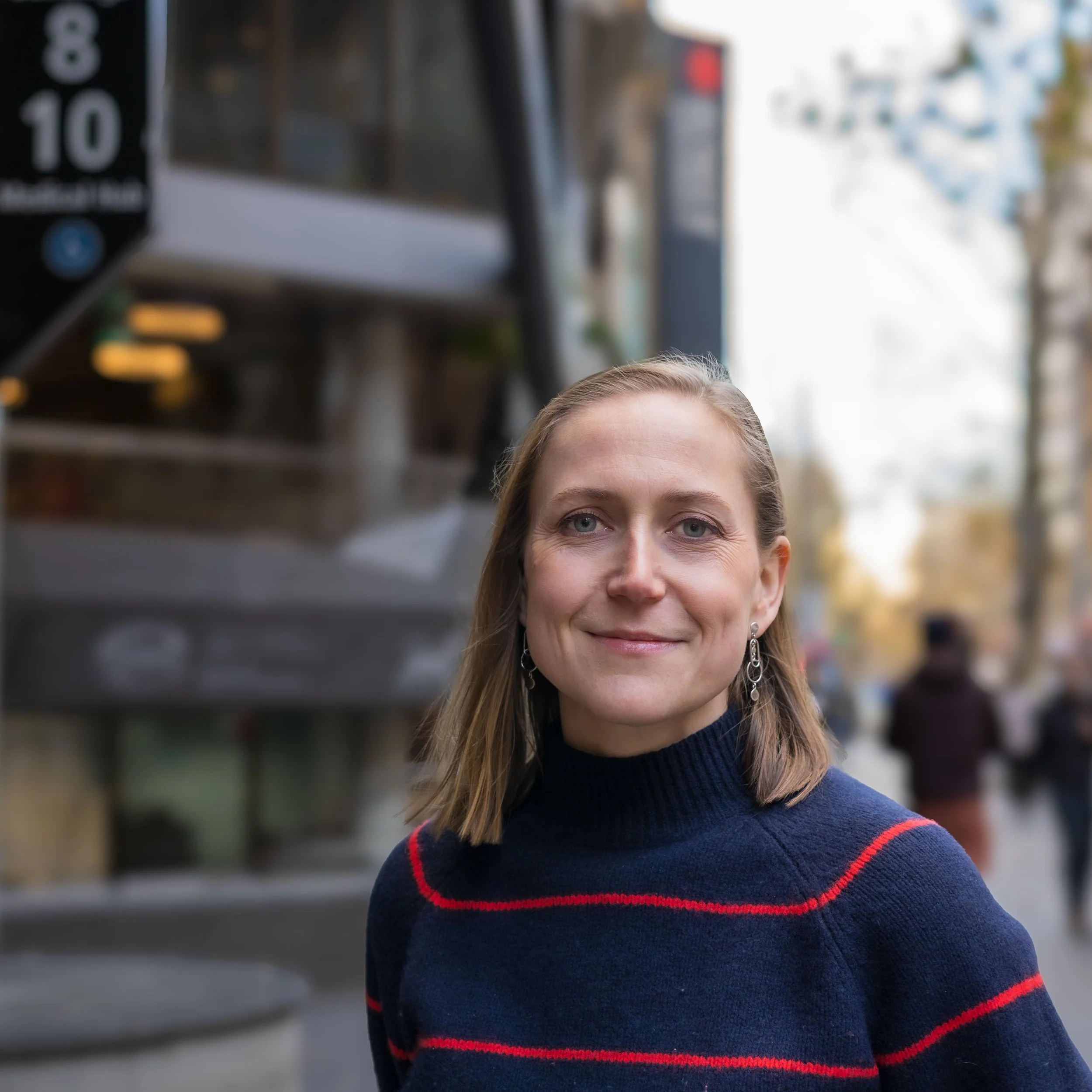
An ARC-funded study at RMIT is looking beyond the factory floor to ask a question the industry rarely does: what is it actually like to live in an offsite-built apartment?
Words: Alicia Brown
Australia’s Smart Building sector has made significant strides in demonstrating that offsite construction can deliver homes faster, with less waste and lower carbon. But as the industry scales, a critical piece of the puzzle remains largely unexplored: what do the people who actually live in these buildings think about them?
That’s the central question driving Prefab Rehab, a multi-year research project led by Dr Louise Dorignon, Senior Research Fellow at RMIT University’s Post-Carbon Research Centre. Funded by an Australian Research Council DECRA grant, the project examines how offsite construction and MMC are reshaping the production and lived experience of apartment housing across Australia and Europe.
Dr Dorignon’s interest was sparked during an international research project with Master Builders Victoria in 2022-2023 examining construction industry innovation and emerging models of industrialised building, during which she observed that the challenges surrounding offsite uptake were increasingly institutional and systemic, rather than purely technical. “What interested me most were the institutional arrangements that were missing but needed to achieve greater uptake,” she explains. “I wanted to look not from a barrier perspective, but at all the different elements that are part of the system.”
The project spans four countries — Australia, Sweden, the UK and France — each representing a different stage of offsite maturity. Sweden offers a case study where offsite construction has become an established part of the housing system; France demonstrates how embodied carbon regulation and industrial policy can accelerate adoption; and the UK provides cautionary lessons about over-reliance on government procurement without broader private market uptake.
What sets Prefab Rehab apart is its focus on residents. Dr Dorignon notes that existing research on resident experience is limited and drawn from older stock. “I want to bring residents back into the conversation as essential actors, not the passive end user,” she says. “They’ll live in these buildings for 50 or 60 years. It matters for designers, builders and manufacturers to understand how people experience what they’ve built.”
She also challenges the assumption that “prefab stigma” is as entrenched as it appears to be. While perceptions are shifting in the detached housing sector, awareness in the apartment sector remains low — many residents may not even know their building was constructed wholly or partly offsite. An evolving online archive of Apartment Stories will make the research’s findings publicly accessible and centre residents’ voices in the industry conversation.
“It’s a very rapidly evolving sector,” Dr Dorignon says. “I’m hoping the project will produce a more nuanced understanding of what people think and experience when living in buildings made offsite.”
prefabAUS members interested in participating in the research can contact Dr Louise Dorignon at Louise.dorignon@rmit.edu.au