
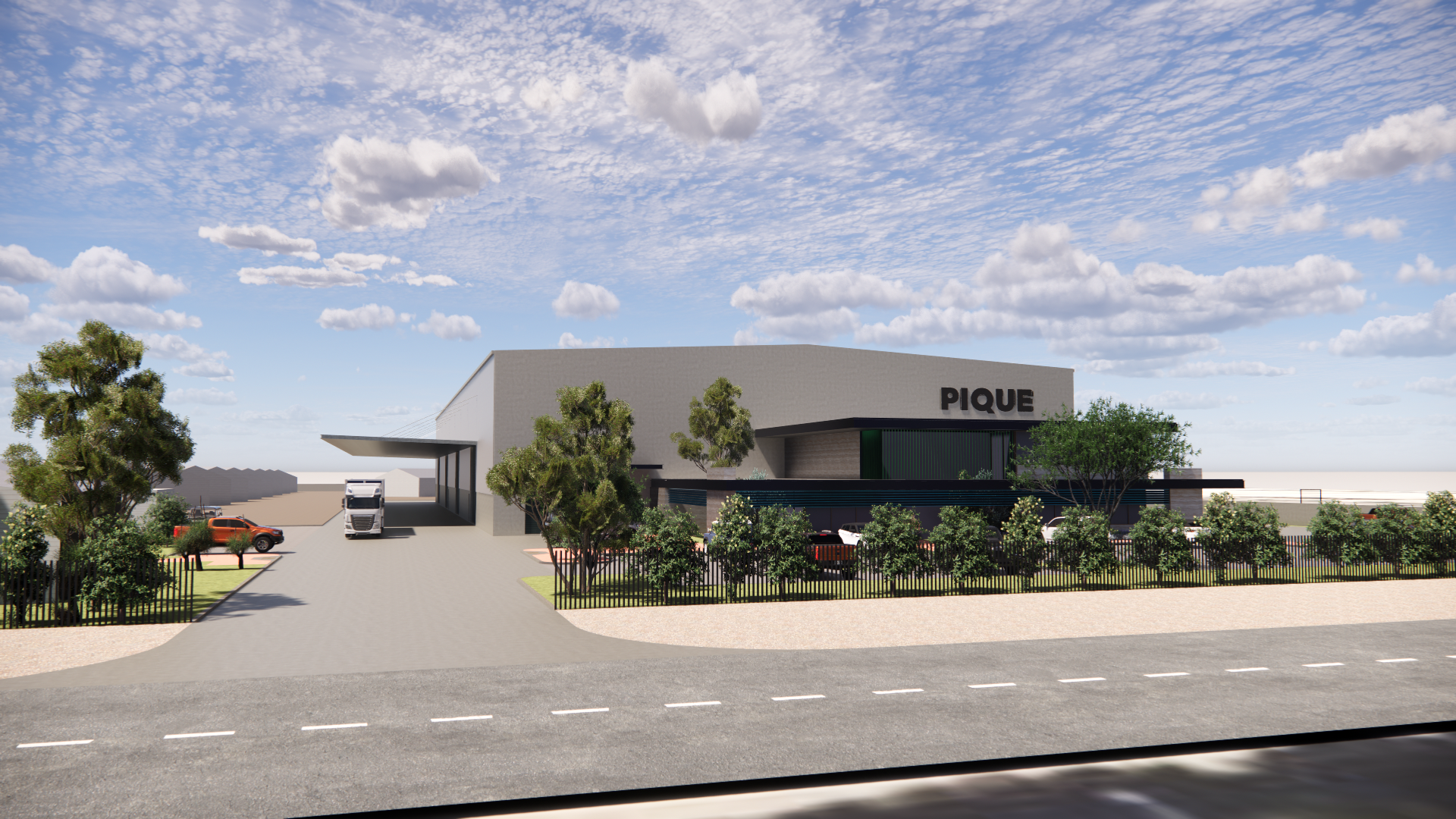
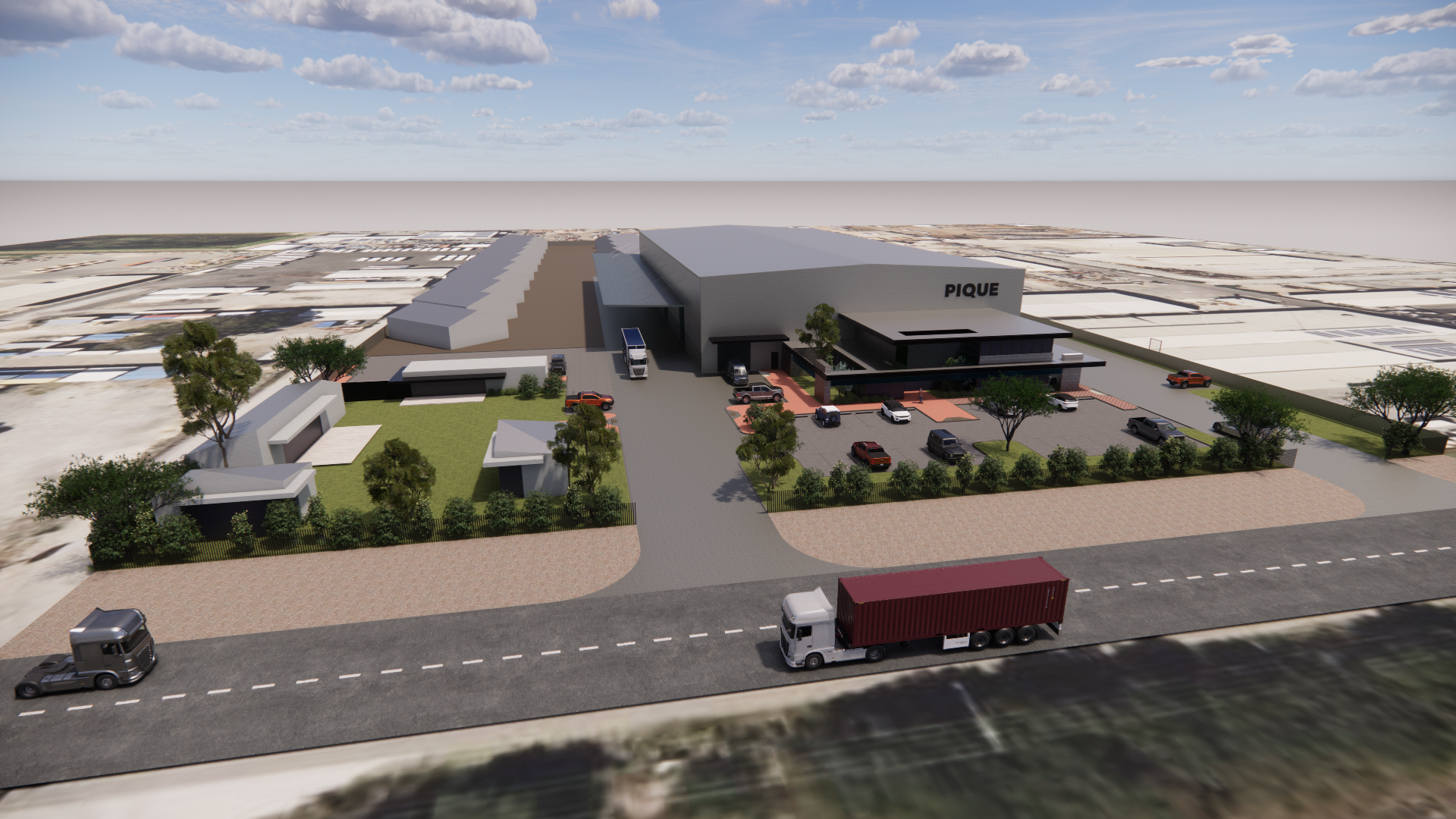
Pique Mod Pty Ltd Landsdale Facility B
Western Australia's Housing Innovation Fund delivers the state's largest single investment in modern methods of construction capability, a milestone for the sector, and a signal that the conversation is shifting from 'why prefab' to 'how fast can we scale'.
On 24 May, the Cook Labor Government announced $49 million in grants to 15 Western Australian manufacturers under the Housing Innovation Fund, with recipients matching their grants dollar-for-dollar through a 50 per cent industry co-contribution. The funding targets wall frames, volumetric modules and other prefabricated components produced in controlled factory settings, the building blocks of an industrialised housing supply chain.
prefabAUS member PIQUE secured the maximum $5 million grant for its Advanced Modular Housing Facility in Landsdale. Combined with PIQUE's $21.9 million co-investment, the $26.9 million project will lift annual output by 76 per cent to approximately 541 homes. The facility will house dual 20-tonne overhead gantry cranes and an automated steel framing base machine, the first of its kind in Western Australia, enabling vertically stacked modular construction and supplying galvanised steel floor bases to the broader WA building industry.
"For PIQUE, this funding is a direct catalyst," said PIQUE Managing Director Jessica Berry. "It accelerates our investment in advanced manufacturing capability and gives us the runway to scale production against the demand we're already seeing across WA. Just as importantly, it's a clear vote of confidence in modular delivery as a serious answer to the housing challenge."
Grants to the other 14 recipients ranged from $616,919 to the program's $5 million ceiling, spread across timber framing, volumetric modules, engineered cement systems and regional manufacturing capability in Albany and the Kimberley. The Fund complements a separate $48 million state-backed investment in Built Living and Atlas Precast to establish advanced manufacturing facilities at Neerabup and Kwinana, lifting WA's recent MMC capability commitments above $100 million.
Premier Roger Cook positioned the announcement as part of the government's "Made in WA" strategy, citing overseas evidence that large-scale prefabrication can reduce apartment delivery costs by around 20 per cent and shorten construction timeframes by up to 50 per cent. Housing and Works Minister John Carey said the government had "embraced modular and alternative construction methods in our social and affordable housing program" and would continue to look at ways to grow the sector.

Capability is a start. Pipeline is the prize.
prefabAUS Director and Chief Operating Officer of Providence Lifestyle Group, Brad Denison, welcomed the investment while pointing to the broader settings needed to convert capability into completed homes.
"Western Australia's investment recognises what the prefabAUS Roadmap has been saying for some time, Smart Building manufacturing is critical national infrastructure," Denison said. "Capability funding of this scale is a significant step forward. The next step is pairing it with the pipeline certainty that allows manufacturers to convert capability into homes at scale."
The WA announcement follows a clear national pattern: Queensland's 50 per cent MMC target for government projects, NSW's $10 million Modular Housing Pilot and System 600 kit-of-parts program, and Victoria's $50 million commitment to its Future of Housing Centre of Excellence. The Housing Innovation Fund grants give WA's previously announced $50 million Housing Innovation Program its first major industry-facing distribution.
The Fund's geographic spread, from metropolitan operations to Albany and the Kimberley, reinforces the sector's role in regional economic development, and the 50 per cent co-investment requirement ensures recipients are committing their own capital alongside the state's. For prefabAUS members and the broader industry, the announcement is a meaningful data point in a year of consistent state-level progress.
It also reinforces a message the Industry Roadmap has been pressing nationally: Australia's housing challenge will not be solved by sites alone. It will be solved by systems.