
How Providence Lifestyle Is Rewriting the Rules of Residential Construction
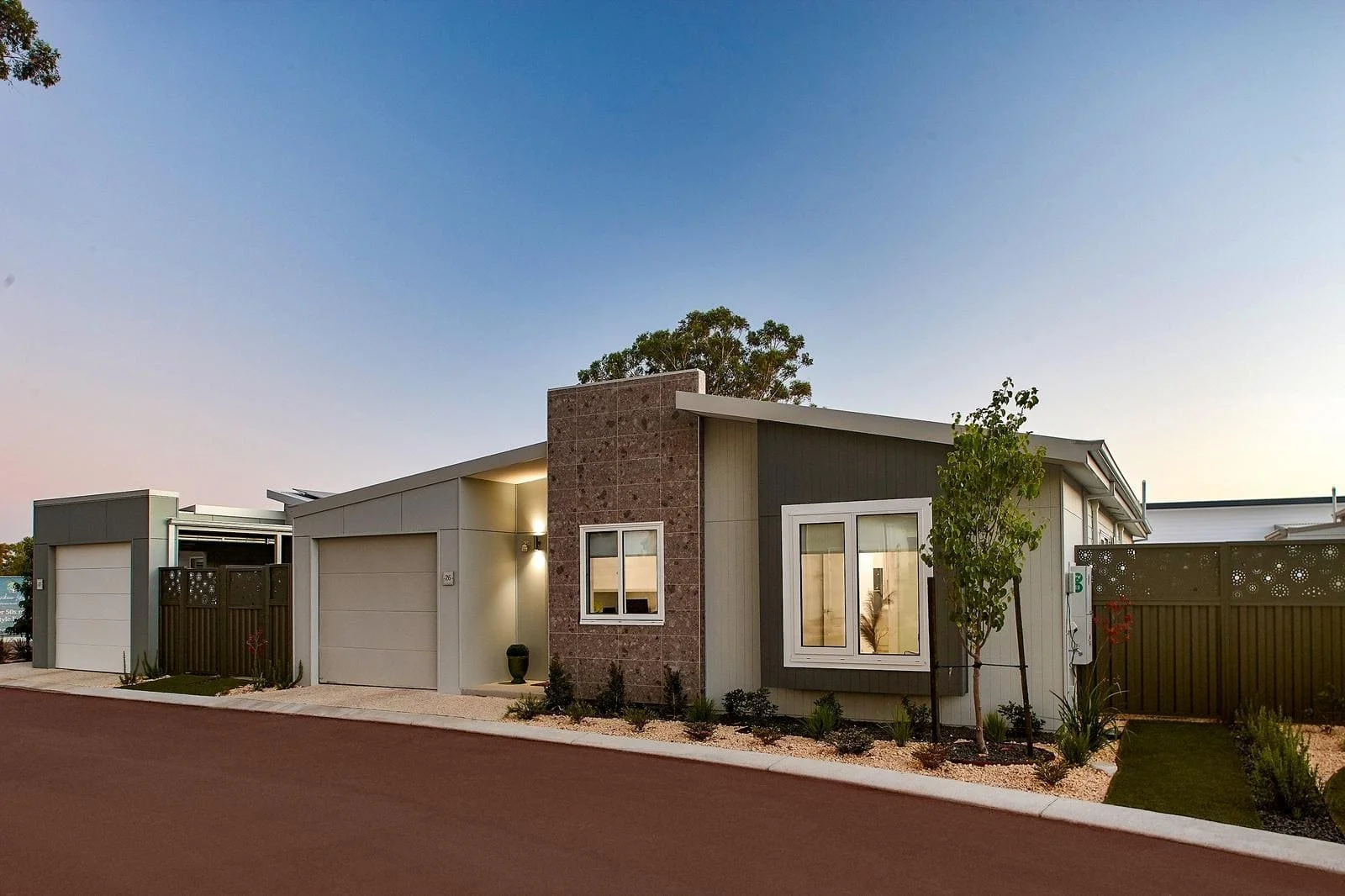
With five resorts approved, a steel framing factory, an in-house building company, and solar microgrids powering hundreds of homes, Providence Lifestyle’s Brad Denison is demonstrating what happens when deep modular construction expertise meets vertically integrated development at scale.
When Brad Denison stepped down as CEO and Managing Director of Fleetwood Limited after 25 years — 15 as CFO and a further decade at the helm — he had built the company into the largest modular building operation in Australia, expanding it from a Perth-based caravan and mining accommodation business into a national force with major operations in Sydney, Brisbane, and Melbourne.
But stepping away from the corporate office didn’t mean stepping away from the industry. Today, as Chairman and Chief Operating Officer of Providence Lifestyle Group, Denison is applying his decades of offsite construction knowledge to a different challenge: delivering hundreds of high-quality, affordable homes for the over-50s land lease market in Western Australia — and demonstrating how Smart Building principles can underpin an entire business model, from factory floor to solar microgrid.
A New Vehicle for Old Expertise
Providence Lifestyle was founded approximately three years ago by John Wood — who’s father was the original founder of Fleetwood in 1964. John was also the driving force behind National Lifestyle Villages — together with fellow Fleetwood alumnus John Green and long-time industry consultant James Turnbull. When Wood invited Denison to chair the new venture, it was a natural convergence of land lease development experience and modular construction expertise.
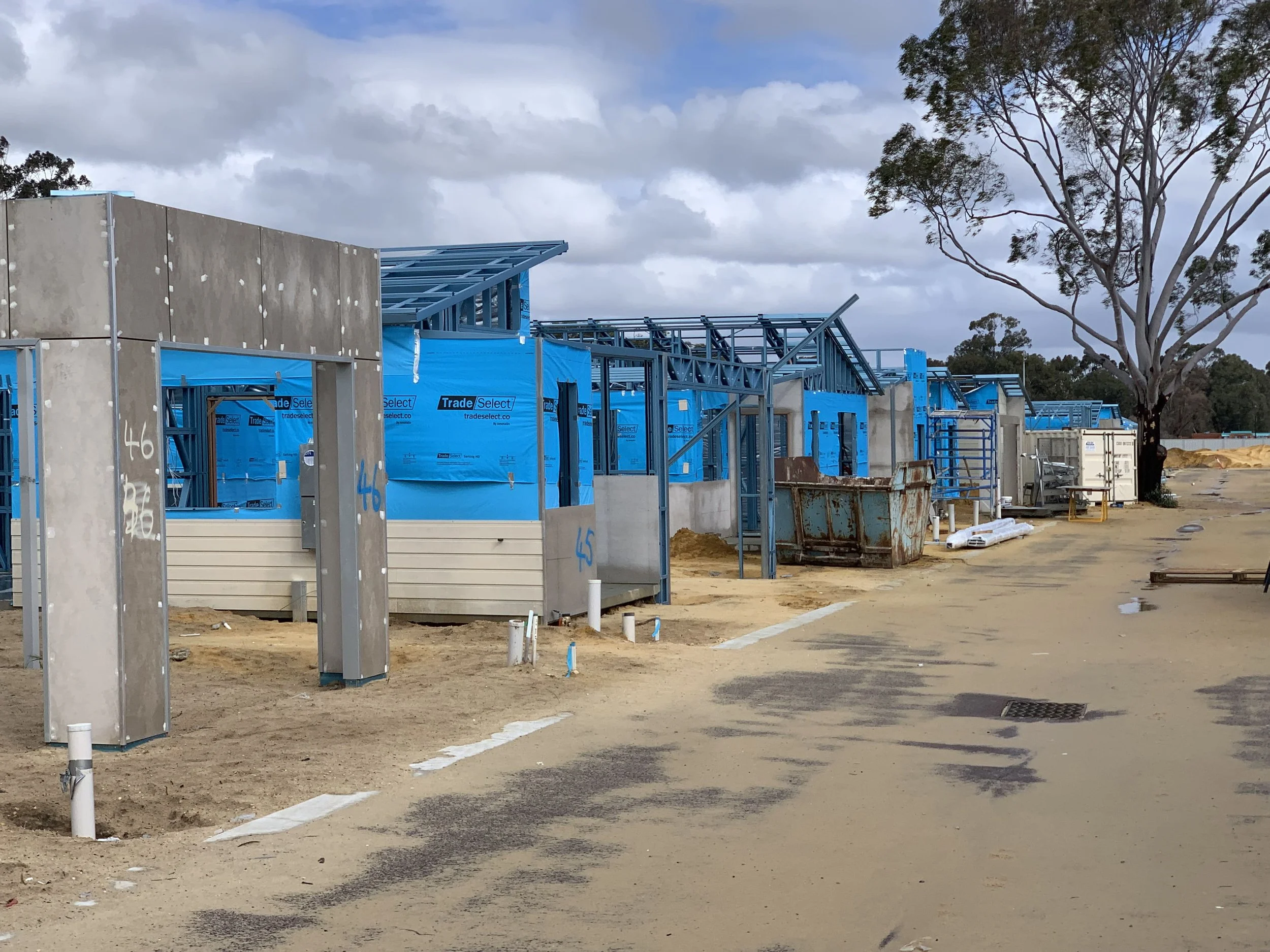
The business has moved quickly. Providence now has five resorts approved and three in active construction, with a further six in various stages of the development approval process. Providence currently constructs approximately 30 homes per month, with a proportion built by Fleetwood and the balance built on-site by Providence’s own in-house building company.
“The end product is essentially identical, whether Fleetwood builds the home or we build it ourselves. They’re made from the same materials and both supply methods are fully modular homes capable of being transported to another site if the need arises. The reason we build a proportion ourselves is that there are economies of scale for our shareholders’’.
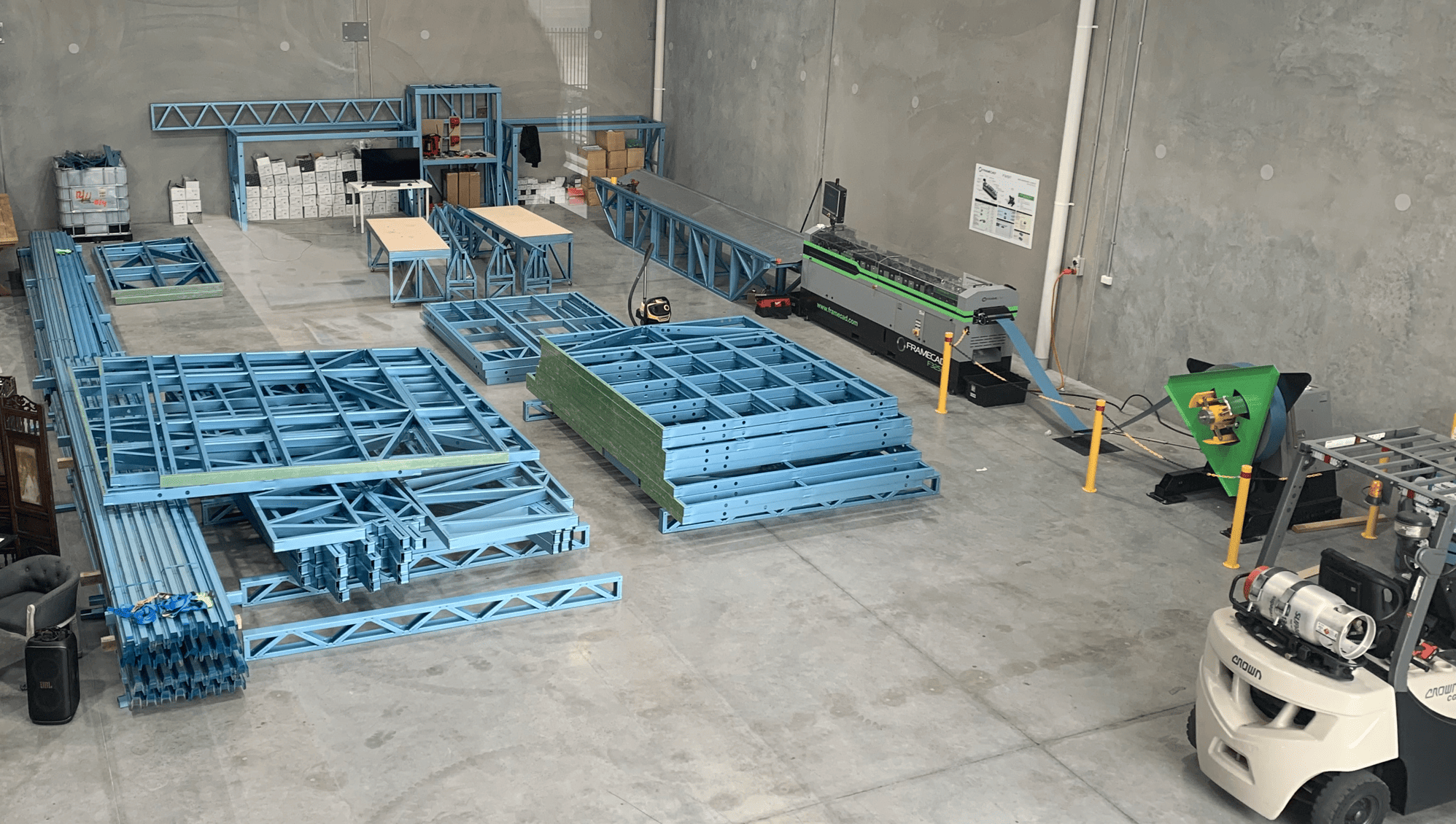
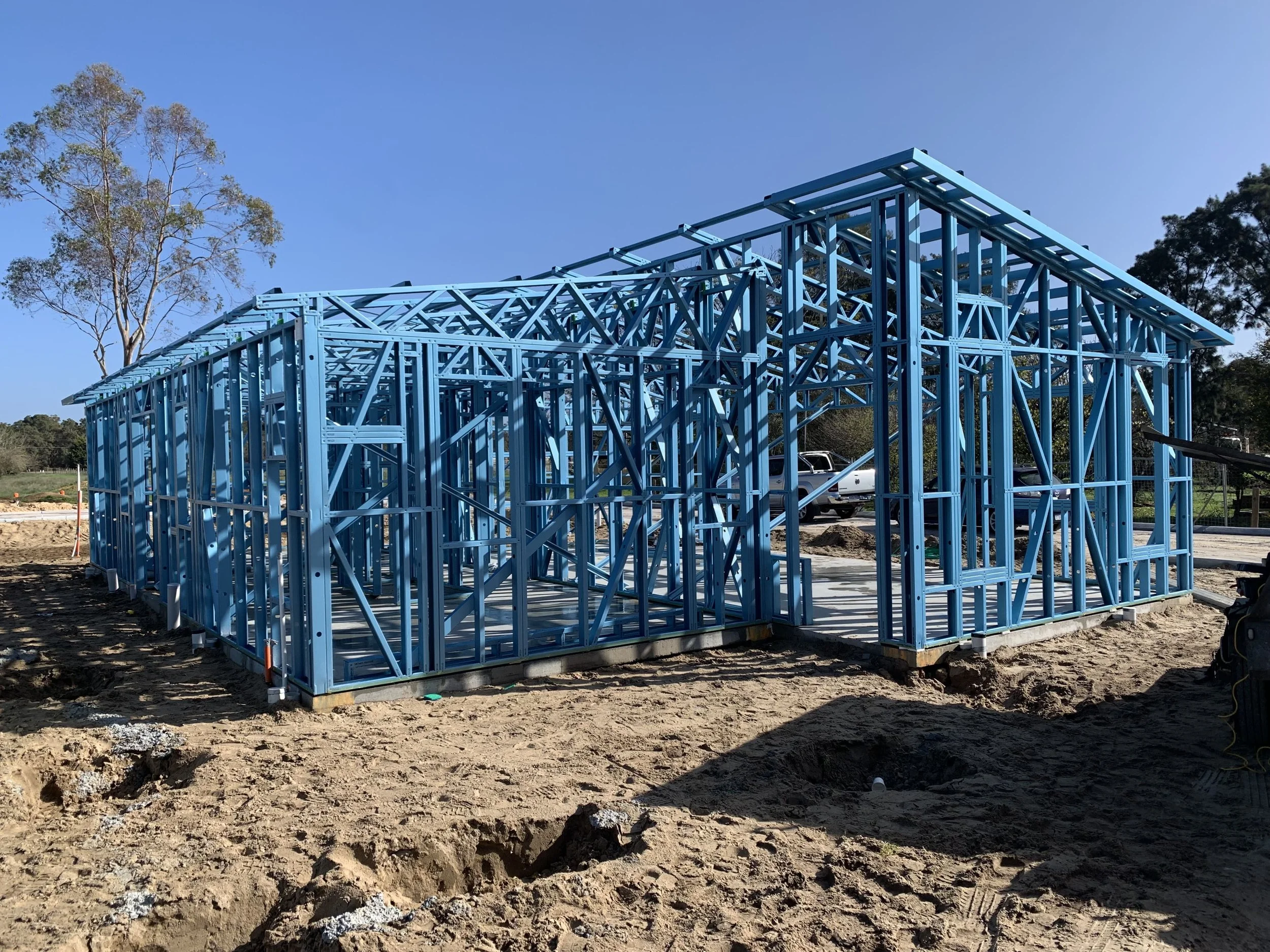
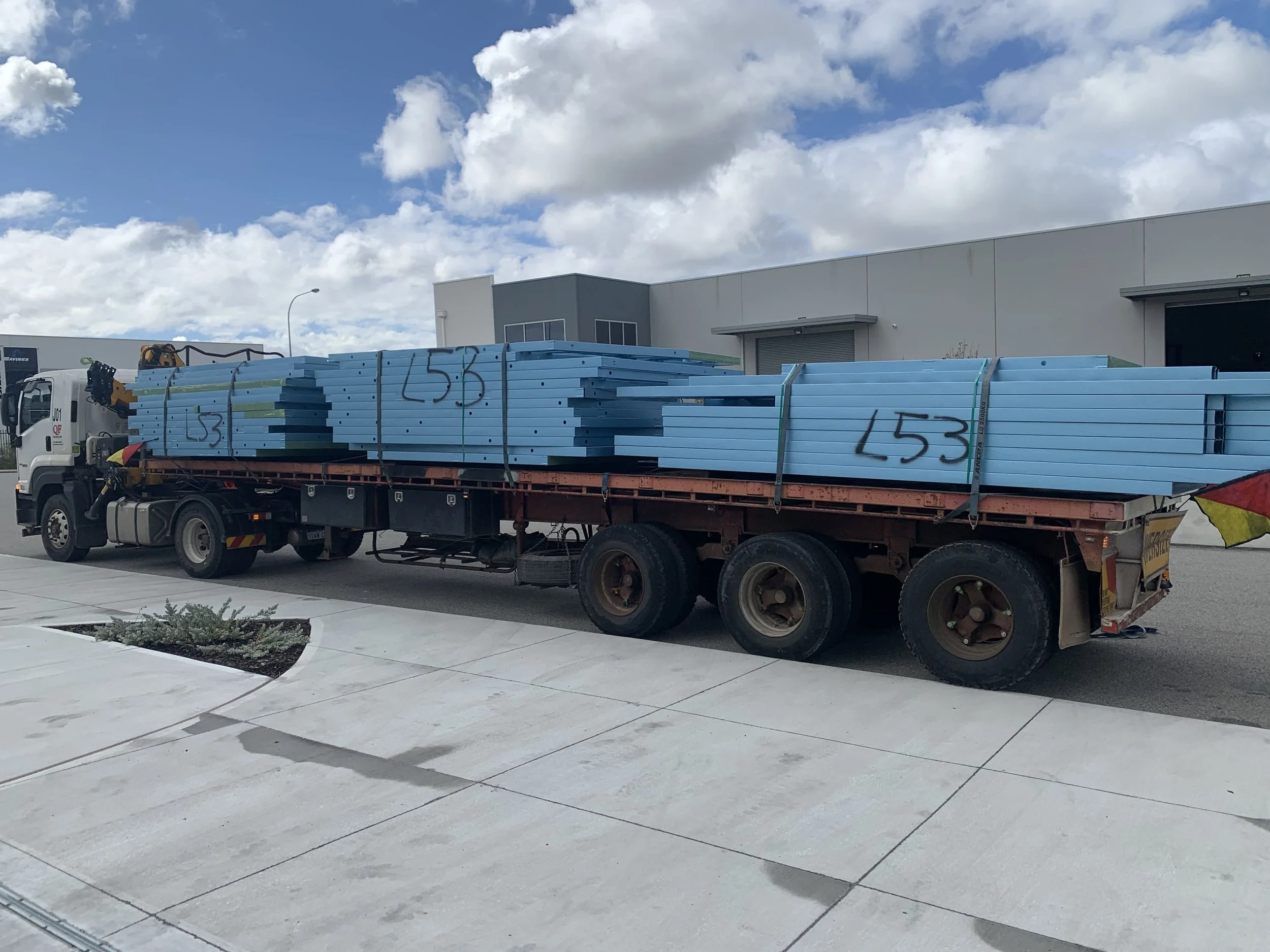
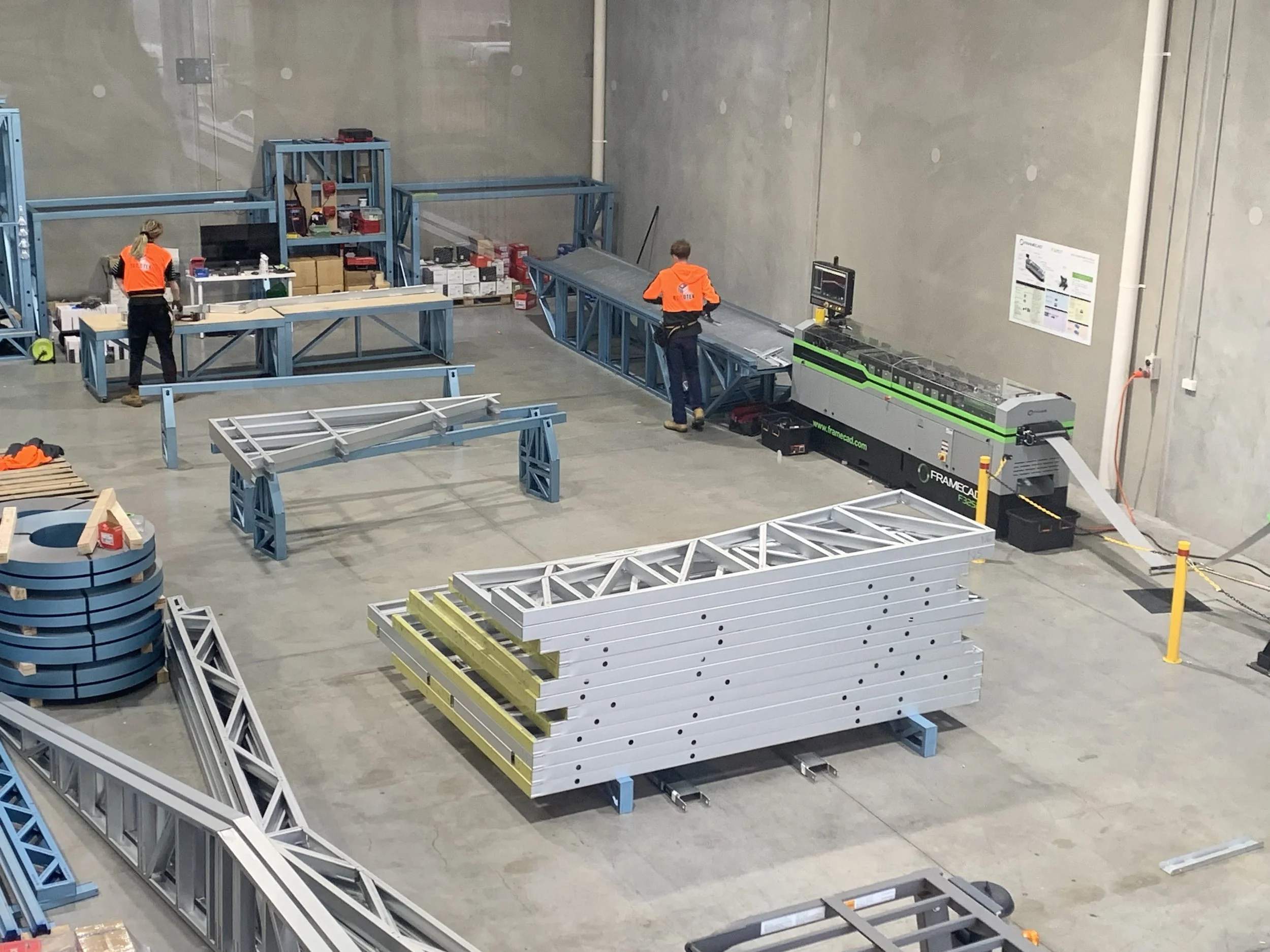
This hybrid approach reflects a pragmatic understanding of construction logistics. To support this capability, Denison has established a steel framing factory in Wangara, Western Australia, producing light guage steel framing for floor joists, wall frames and roof trusses — for the homes Providence builds itself.
Sixteen Designs, Hundreds of Homes
One of the most striking aspects of Providence’s approach is its disciplined design standardisation. Across all of its resorts, the company works from a library of just 16 home designs, which can be mirrored as left-handed or right-handed configurations. These 16 master files are loaded directly onto the computer-controlled machinery that manufactures the structural components.
“If the homes were a bespoke design every time, the engineering and detailing required would impact gross profit percentage. But because we’ve been able to develop a library of 16 designs that our customers like, they get loaded onto the machine from a library of engineering, that’s been a massive efficiency gain.”
This is where the true advantages of a Smart Building approach become apparent. The standardised design library doesn’t just drive manufacturing efficiency — it cascades through the entire value chain. With predictable forward volume and consistent specifications, Providence has commenced importing components directly rather than ordering through local suppliers, and is actively exploring further overseas procurement of standardised components to feed its in-house building operation.
Consistency Breeds Quality
The land lease model, with its concentrated, repeat-build environment, creates conditions that are particularly well suited to Smart Building methods. Rather than dispatching trades to scattered suburban sites, all construction activity takes place within a single resort development, where subcontractors move from one home to the next.
“If you are a subcontractor and all of your jobs are on the one site. You can move from one home to the next, creating economies of scale and opportunities to improve efficiency.”
This concentrated approach delivers multiple benefits. Subcontractors are retained through the consistency and volume of work, and the model supports a higher ratio of apprentices to master tradespeople, directly addressing the industry’s chronic skills shortage. Supervision and safety systems can be applied across an entire site rather than being stretched across individual suburban builds, and quality control is maintained by having Providence and building company staff permanently on-site.
The precision of computer-controlled manufacturing further elevates build quality. With steel framing produced to millimetre tolerances, the initial structure is, as Denison puts it, “absolutely perfect from the beginning” — a marked departure from the variability inherent in traditional hand-built framing. Combined with trades who refine their skills through repetition on identical designs, the result is homes that Denison maintains are “far superior in terms of build quality” compared to conventional residential construction.
Smart Homes, Smarter Communities
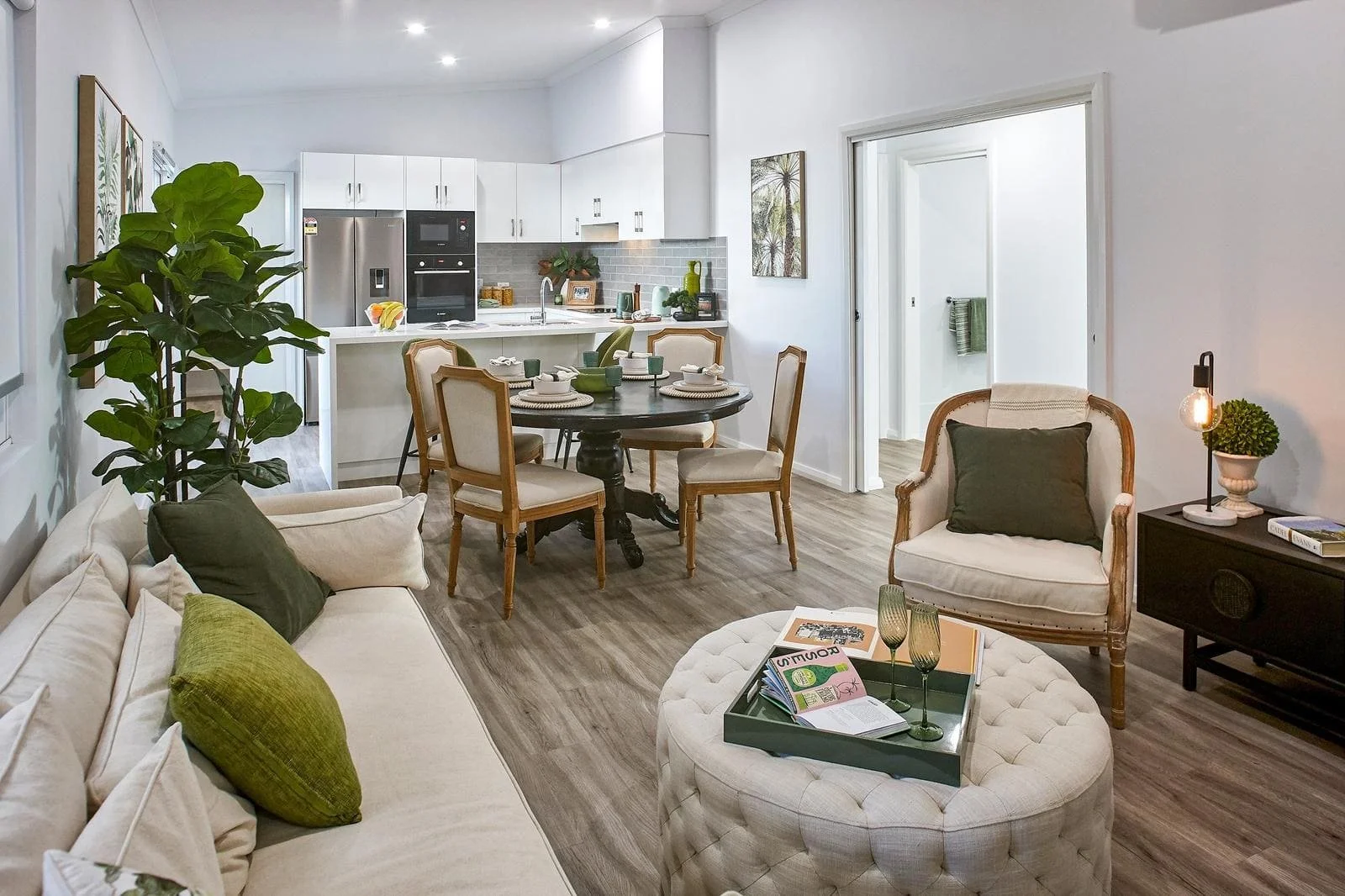
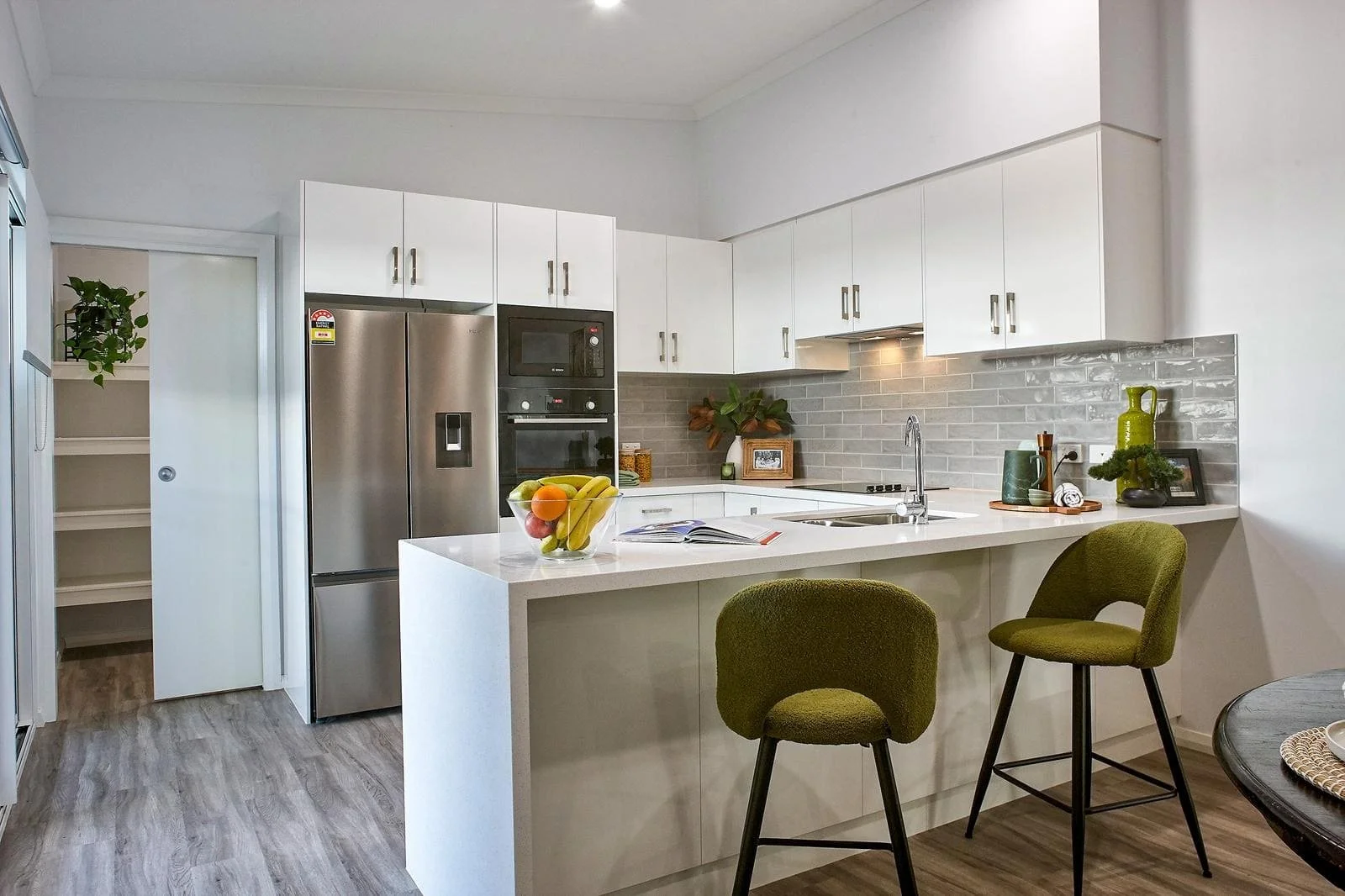
Providence’s integration of technology extends well beyond the construction process itself. Every home features 5 kilowatts of solar panels and a battery storage system. While these look like standard residential solar installations individually, their real power lies in their interconnection: across a resort like Piara Waters, which comprises approximately 250 homes, all batteries are linked together to operate as a single, community-scale microgrid.
The business model is elegant. Each resident is provided with 8 kilowatt-hours of free electricity per day. Residents who consume more than the 8 kWh allowance simply pay for the excess at a standard rate. The system also powers all communal facilities, village lighting, and shared infrastructure.
The technology integration doesn’t stop at energy. Providence has developed what it calls a Total Communication Solution (TCS) package, delivering fibre optic internet to every home and bundling phone, internet, automated gate access, and number plate recognition into a single resident service.
“It’s quite a technologically advanced home.”
A Housing Solution Hiding in Plain Sight
Western Australia’s housing market faces acute pressure. Perth alone requires approximately 25,000 new homes annually, but the industry can currently deliver only around 15,000 — a supply gap that mirrors the national housing crisis demanding 1.2 million new homes by 2030.
Denison argues that the land lease sector’s contribution to addressing this shortfall is well recognised by government but poorly understood by the general public. State and local governments have been particularly supportive, with state government incentives for investment in manufacturing machinery and enthusiastic local council backing for developments that can bring affordable housing to parcels of land otherwise unsuitable for traditional residential use.
“We can take parcels of land that, in some cases, couldn’t be used for traditional residential building and build two to three hundred homes using a product that is also socially conscious and promotes social wellbeing.”
The land lease model also offers a distinctive proposition in the housing affordability conversation. Residents purchase their home outright as a chattel, not a fixture, and hold a 99-year lease on the land. Providence has deliberately avoided the exit fees and deferred management fees that have attracted scrutiny in other parts of the sector, instead building this value into a slightly higher upfront home price. The combined home-plus-lease asset appreciates broadly in line with the surrounding suburb, meaning residents may purchase at $700,000–$800,000 and later sell for $1.3–$1.4 million without any exit fee deductions.
A Message for Manufacturers
Having spent a career building Fleetwood into Australia’s dominant modular manufacturer, Denison now sits on the other side of the table as a major client — and his perspective on the manufacturing sector is candid. He observes that some large modular companies have become too corporate, losing the entrepreneurial spirit and client relationships that once drove growth.
“Some companies require a deposit on order, then progress payments until the home is completed. This represents a barrier for our industry as many land lease home clients are cash buyers who pay for the home at settlement. Someone in the supply chain has to provide the working capital in that chain. Several Australian banks are currently developing loan products to allow for progress payments to modular builders, but we are still a way off.”
It’s a perspective that carries particular weight from someone who, as Fleetwood’s CEO, used to actively seek commercial partnerships with developers. The message to manufacturers is clear: maintain client focus, invest in relationships, and recognise that developers with the scale and capability of Providence now have alternatives, including building the capacity themselves.
Vertical Integration as Strategy
Looking ahead, Providence’s strategy centres on progressive vertical integration across the supply chain. The company already operates an in-house steel framing factory, an in-house building company, and is establishing an in-house funds management business with an Australian Financial Services Licence to raise capital for developments, alongside an in-house development team.
But Denison’s ambitions extend further. With predictable volume and standardised designs, Providence is systematically examining its supply chain to identify where external suppliers earn margins that could be captured in-house. Future possibilities include manufacturing other components such as wall and ceiling battens, aluminium extruding, and direct importation components from overseas — building on the window importation program already underway.
“We simply look at the supply chain from material procurement to completion of a home and where there are opportunities to use our scale to create economies we will continue to do so.”
The Smart Building Equation
Providence Lifestyle’s story illustrates a powerful case for Smart Building as more than a construction methodology — it’s a business strategy. By combining standardised design, computer-controlled manufacturing, on-site build efficiency, energy technology integration, and progressive supply chain ownership, the company has assembled a model that delivers affordable, high-quality homes at a scale and consistency that traditional construction methods cannot match.
For the broader Smart Building sector, Providence represents a compelling proof point: that when deep offsite construction expertise is directed toward a repeatable, scalable housing product, the benefits compound across every dimension — cost, quality, speed, sustainability, and social impact. As Western Australia’s largest land lease developer and a company delivering 30 homes per month across multiple resorts, Providence is living evidence that the future of Australian housing is being built not on individual sites, but on systems, standards, and the relentless pursuit of efficiency.
About Brad Denison
Brad Denison is Chairman and Chief Operating Officer of Providence Lifestyle Group, Western Australia’s largest land lease lifestyle resort developer. He is the former CEO and Managing Director of Fleetwood Limited, where he spent 25 years building the company into Australia’s largest modular building operation. He is also a non-executive director of prefabAUS, Australia’s peak industry body for offsite construction.