
Cool Stuff: How Robotics, VR, and Digital Tools Will Attract the Next Generation to Construction
Construction has an image problem. Smart Building has the answer — but only if the industry can show young people what the future actually looks like.
Damien Crough, Executive Chairman of prefabAUS, is blunt about the challenge. “Smart kids are told to go to university,” he says. “But smart kids can also do a trade, and own a business, and be hugely successful in life.”
The problem isn’t opportunity — Australia needs almost half a million new construction workers in the coming years. The problem is perception. Construction is still widely associated with hard physical labour, outdoor exposure, and limited career progression. For a generation that has grown up with technology as a default, the traditional building site holds little appeal.
Crough sees the Future of Housing Construction Centre of Excellence at Melbourne Polytechnic’s Heidelberg campus as a game-changer for recruitment. The Centre’s new building will feature holographic learning suites, digital design labs, and modular construction workshops — environments designed to showcase what modern construction actually involves.
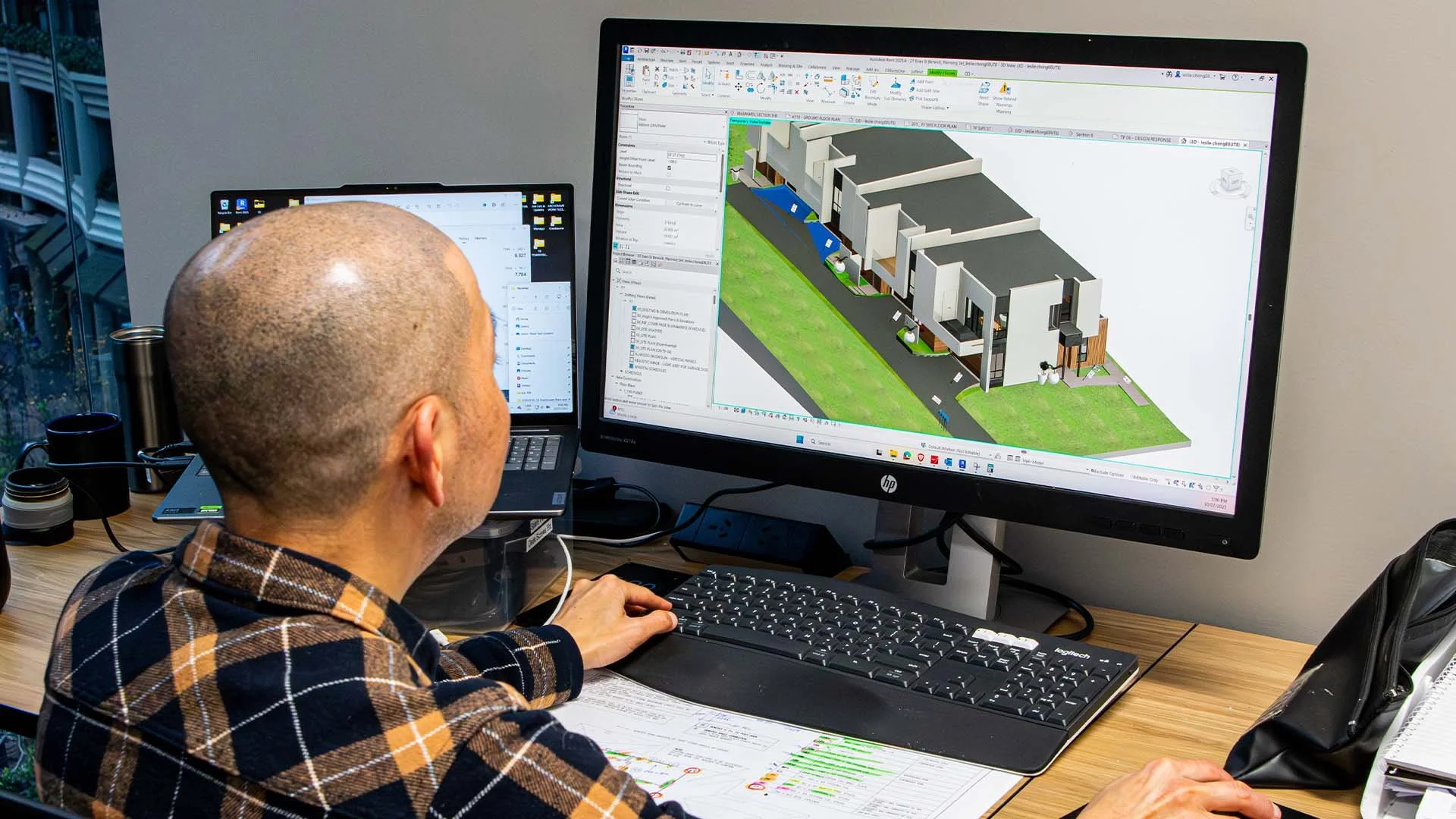
“We want to show young people robotics, 3D printers, automation, digital tools, virtual reality, augmented reality — all of this really cool stuff,” Crough says. “That’s what appeals to them. It’s not the old, dirty, body-breaking work on-site. It’s safe, you’re in a controlled environment. It’s cool. It’s fun.”
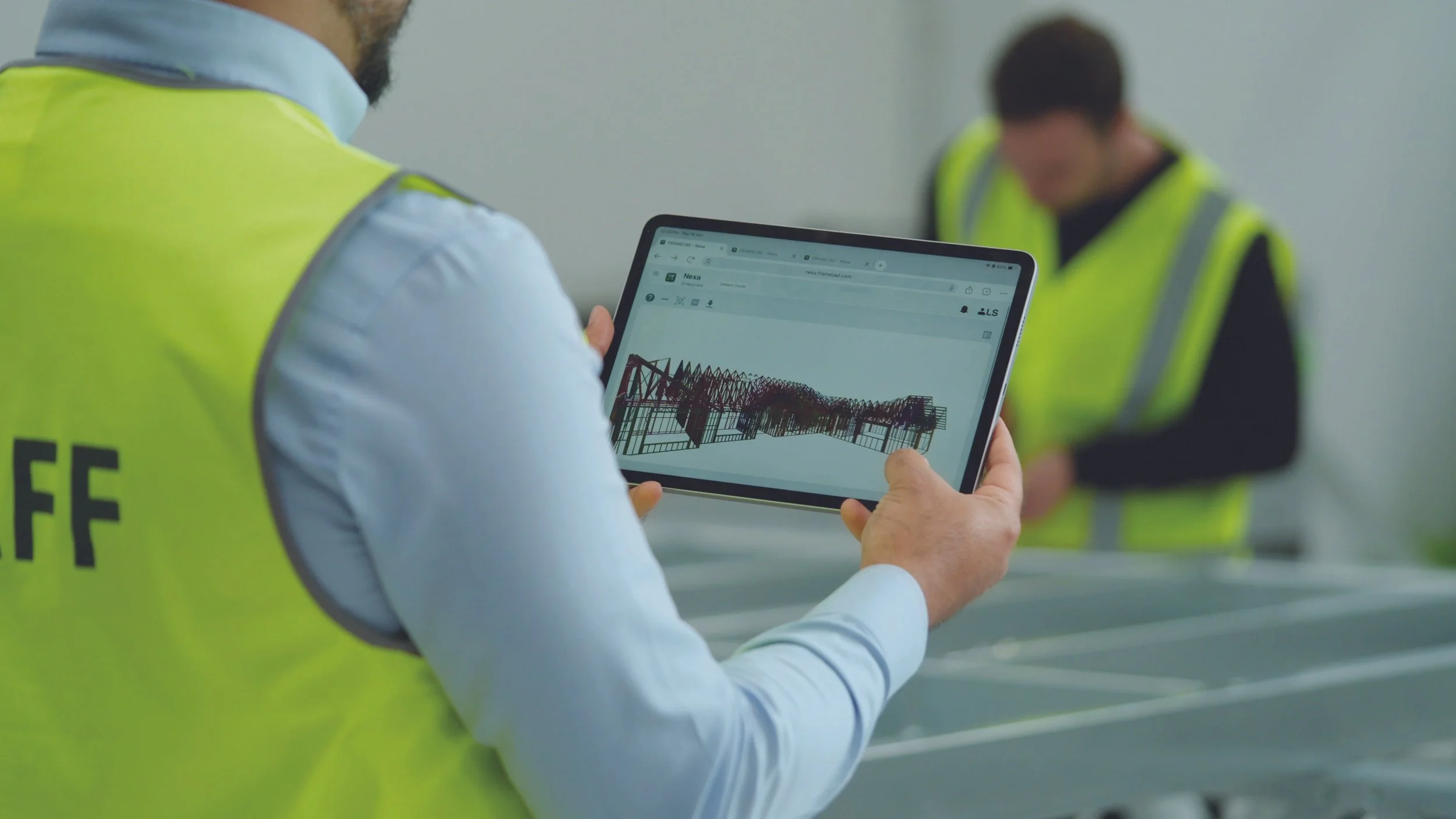
The recruitment strategy extends beyond the Centre’s walls. Crough envisions targeted outreach to school-age students, including inviting school groups into the Centre to experience the technology firsthand. “They might see some automation, some robotics, all of this really cool stuff. That’s what we want to show them — technology and things that are exciting for them and common for them.”
Gabriel Solorzano Torres, Executive Director of Melbourne Polytechnic, brings an education perspective to the recruitment challenge. With more than 600,000 learners enrolled across Australia’s TAFE network, the system already has significant reach across communities and industries nationwide. The Centre of Excellence is intended to complement that network by providing facilities and learning environments that showcase the technological possibilities emerging within modern construction. It also provides the opportunity to attract broader participation, including greater numbers of women to the industry.
Solorzano Torres also highlights the Centre’s showcase building as an important part of that effort. It is designed not only as a training facility, but also as a place where prospective students, industry partners, and educators can experience emerging construction technologies firsthand and see the potential of modern methods of construction in practice.
For Crough, the pitch to young people goes beyond the technology itself. It’s about entrepreneurship. “Do a trade, but do it with a view to owning a business,” he says. “We have a long-term opportunity around the built environment for the next many decades. We need smart kids who are already digitally enabled to get into this industry and create successful businesses delivering buildings for the future.”
The construction industry’s workforce crisis will not be solved by incremental improvements to an outdated image. It requires showing young Australians that the industry has changed — and giving them a place where they can see it, touch it, and imagine themselves in it. That is precisely what the Centre of Excellence is designed to do.