
Almost All Builders Are Already Using Prefab — They Just Don’t Know It
The Smart Building journey isn’t a leap into the unknown. For most builders, it’s a continuation of something they’re already doing.
Gabriel Solorzano Torres, Executive Director of Melbourne Polytechnic, puts it with disarming simplicity: “Almost all builders are using a little prefab. They just don’t mention it.”
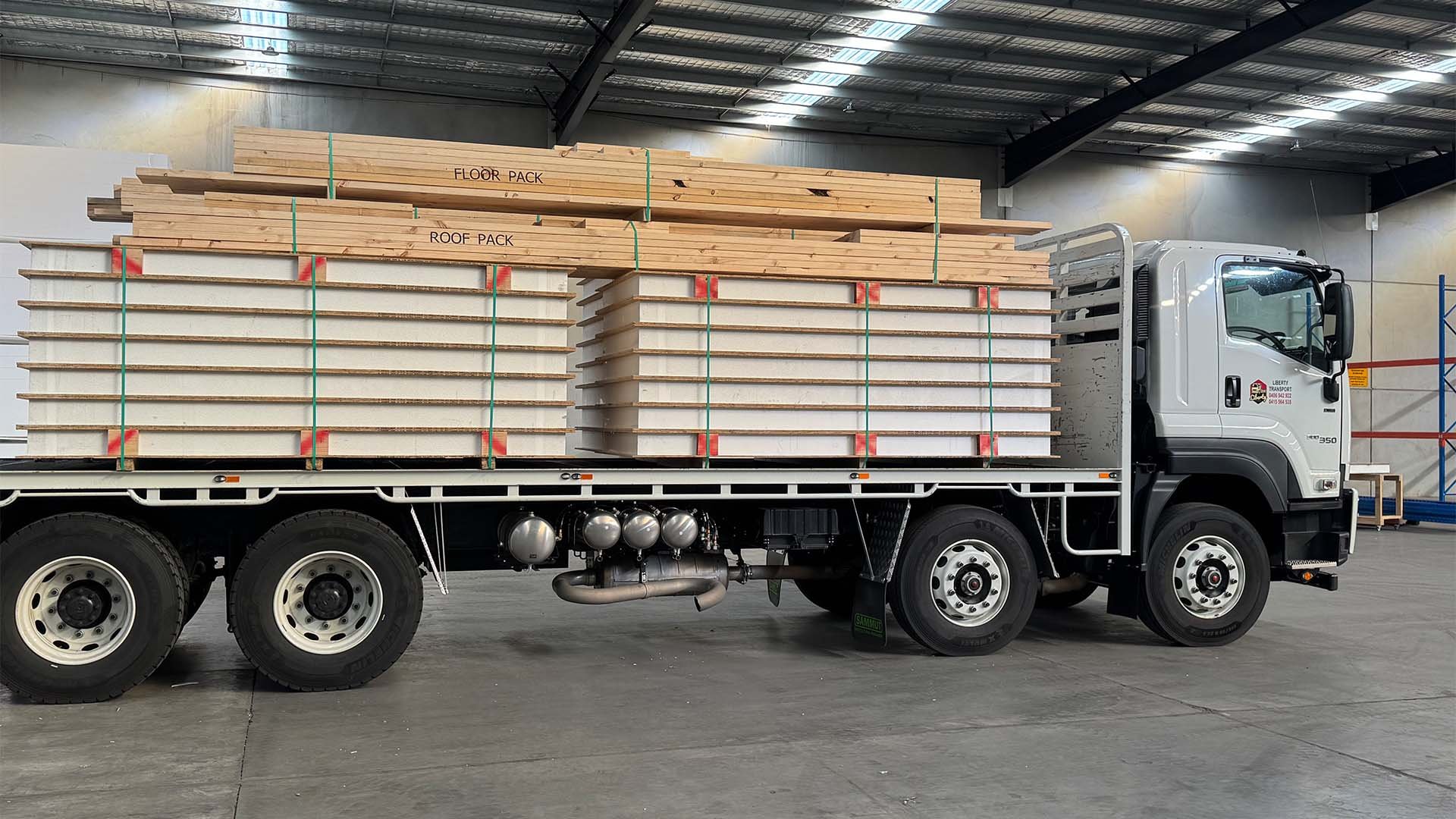
He’s right, of course. Pre-hung doors, prefabricated roof trusses, factory-made window assemblies, pre-wired electrical panels, elements manufactured offsite and delivered to site ready for installation have been part of mainstream construction for decades. The question is not whether builders use prefabricated components, but whether they recognise it as part of a broader spectrum of capability.
This is the insight at the heart of the prefabAUS Smart Building Spectrum, which positions industry adoption not as a binary choice — traditional versus prefab — but as a progressive journey from basic pre-made components through to fully integrated volumetric modular construction.
Solorzano Torres sees this progression clearly. “For many builders, the first step is simply increasing the use of components that are manufactured offsite,” he says. “But as companies gain experience, the shift often becomes broader. It’s no longer just about individual products; it’s about systems, processes, and how the whole construction process can work more efficiently together. In that sense, it’s a journey along a spectrum.”
This framing matters for how the industry communicates. Telling a traditional builder they need to “go prefab” implies abandoning what they know. A more productive approach may be to recognise that many builders are already on the spectrum, and that opportunities exist to do more of what already works and integrate these approaches more deliberately to deliver value.
Damien Crough, Executive Chairman of prefabAUS, reinforces the point through the Centre of Excellence’s design. The Centre is explicitly intended to serve both existing workers and new entrants. “This isn’t just targeted at new entrants into the construction industry,” Crough says. “We’re also looking to upskill existing people who are already working in the industry.”
Melbourne Polytechnic’s existing industry relationships reinforce this approach. Solorzano Torres notes that Melbourne Polytechnic works with thousands of apprentices each year, partnering with companies that are already deeply engaged in construction and increasingly interested in the sector's evolution. “We work with a large number of employers across the industry,” he says. “Many of them are curious about what comes next and are interested in engaging with the Centre because they see the opportunity to build capability early as construction methods continue to develop.”
The message for the industry is not that builders are behind, but that many are already moving in this direction, and there are many benefits to doing so. The Centre of Excellence, together with resources developed by prefabAUS and other industry partners, is intended to support that progression. Modern Methods of Construction are not a sudden departure from existing practice, but an evolution of it. For many builders, the journey has already begun.