
How One Decision Sparked a New Model for Housing
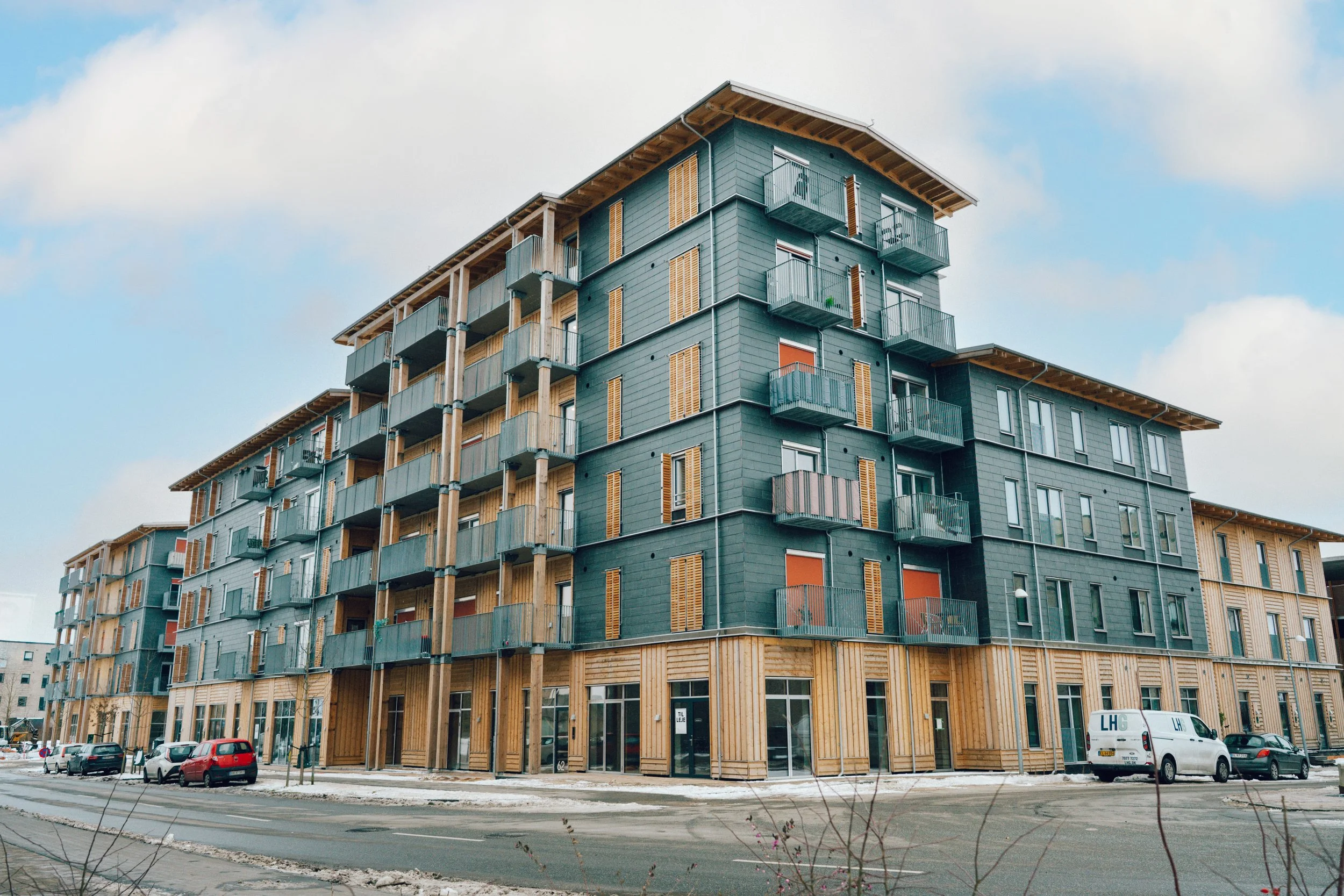
Rasmus Nørgaard's journey from managing billions to reimagining how we build and live offers a blueprint for industry professionals seeking to drive meaningful change.
When Rasmus Nørgaard stepped back from day-to-day management at NREP—the Nordic real estate fund he co-founded, now managing €20 billion—he found himself with something rare in a demanding industry: space to think.
"I think I'm more of an entrepreneur than a manager," Nørgaard reflects. "As NREP grew to something much, much bigger, at some point my co-founder and I decided to step out of day-to-day management."
That transition created the conditions for Home.Earth, a Copenhagen-based real estate company now demonstrating that sustainable, affordable, and profitable housing development isn't a contradiction in terms. Speaking to Smart Building Review following his keynote lecture as the 2025 Robert Garland Treseder Fellow at the University of Melbourne's Faculty of Architecture, Building, and Planning, Nørgaard shared the story behind a company that aims to achieve what many thought impossible: residential buildings operating within planetary boundaries while sharing profits with tenants.
The Affordability Imperative
For Nørgaard, the catalyst wasn't environmental—it was social. "It was probably in particular the affordability dimension that motivated me," he explains. "I still today feel that there are very few market-driven initiatives to try and create affordable housing. There's a lot of talk about it and a lot of effort from public stakeholders to come up with models—some through regulation, some through incentives."
The observation that drove him forward was deceptively simple: "It feels like the industry should be part of the solution and take responsibility for coming up with solutions."
This perspective resonates strongly in the Australian context. With the National Housing Accord targeting 1.2 million new homes by 2029 and affordability pressures intensifying across major cities, the question of whether market-based solutions can meaningfully address housing accessibility has never been more pressing.
Building the Coalition
In his Melbourne lecture, Nørgaard spoke extensively about the fragmentation that plagues traditional construction—the loss of information as projects pass between designers, builders, and operators. From the outset, he knew that solving complex problems required working across these boundaries.
"I was motivated to be able to work across the value chain," he says. "One of the issues with how the industry works today is that it's quite fragmented and quite short-term in its thinking."
His vision was to create feedback loops from sourcing land through design and construction to tenant-facing operations. "I knew from the beginning that I wanted people who were strong on design, people who had worked with more modern methods of construction—modular housing—and people who had deep operational experience."
Perhaps surprisingly, recruitment proved straightforward. "It was actually very easy to convince people," Nørgaard recalls. "I think there's an urge to try and do things better. I don't think everyone has the courage or probably the understanding to put all the pieces together, but there are in many places a deep desire to come up with solutions."
For Australian professionals contemplating similar moves, this observation is significant. The talent exists; the appetite for change is real. What's often missing is someone willing to assemble the pieces as well as capital that sees the potential of a new approach.
Navigating Early Doubts
Home.Earth's journey wasn't without obstacles. Large institutional investors approached early, attracted by the vision, but ultimately withdrew. "They ended up not being comfortable with some of the governance-related aspects—them not having control," Nørgaard explains. "And I was not willing to give them control."
This wasn't stubbornness for its own sake. "Given the ambitions we have, this needs to be a purpose-led initiative. Investors have a lot of influence in Home.Earth, but they do not have control." The company's purpose is protected by a foundation structure—what Nørgaard described in his Melbourne presentation as a "mission lock"—ensuring long-term commitment regardless of investor turnover.
When those early investors walked away, it created doubts within the team. But Nørgaard's clarity provided stability: "I do not think I had that much doubt that we needed to continue, and that gave others comfort."
Prefabrication as Enabler
Modern methods of construction sit at the heart of Home.Earth's approach. During his Melbourne lecture, Nørgaard challenged the audience with a pointed comparison: "Imagine if a car was delivered three months late at 20 per cent higher cost than expected and with a series of faults that need to be resolved. Somehow we've come to accept this in the construction industry."
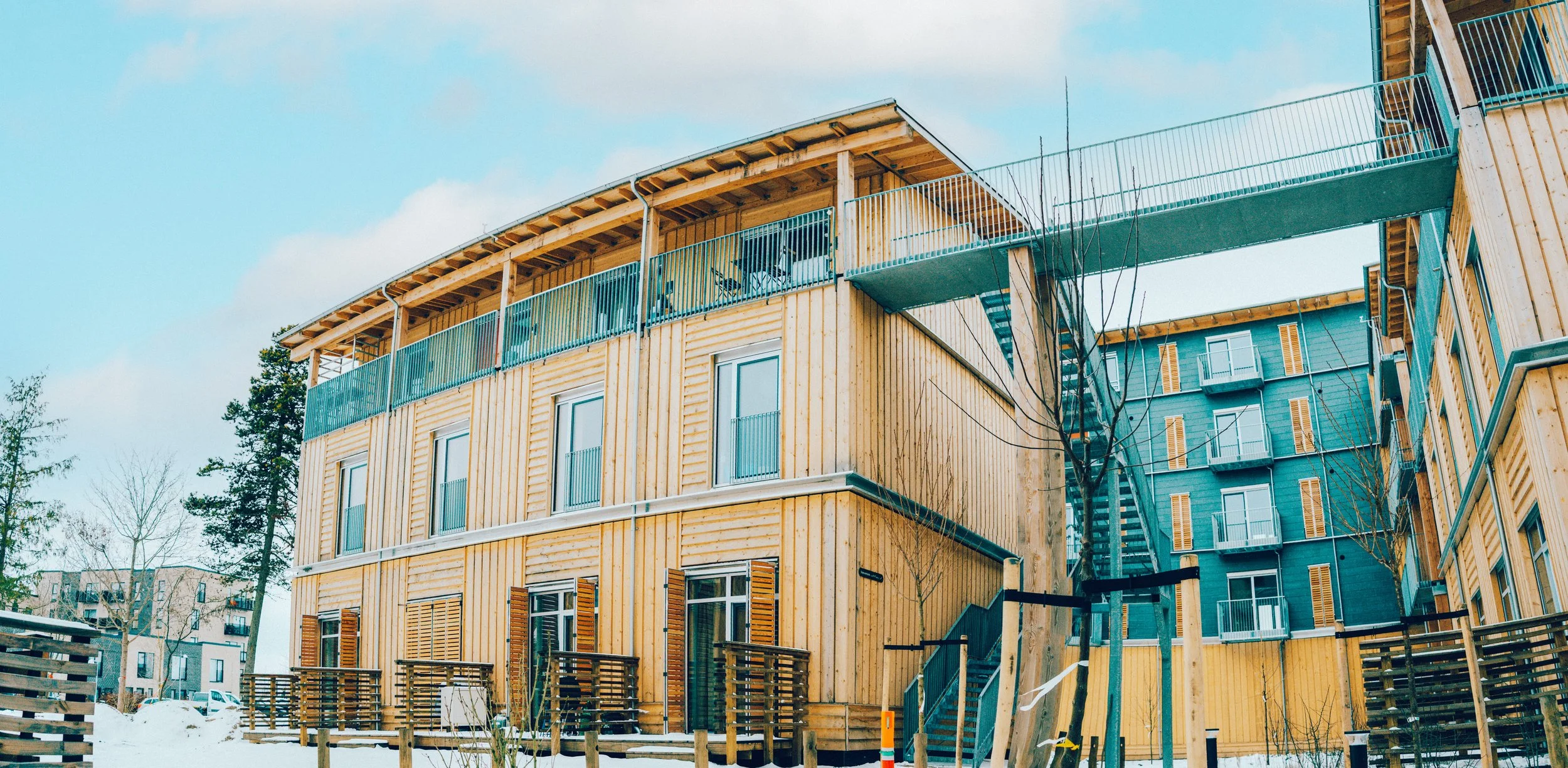
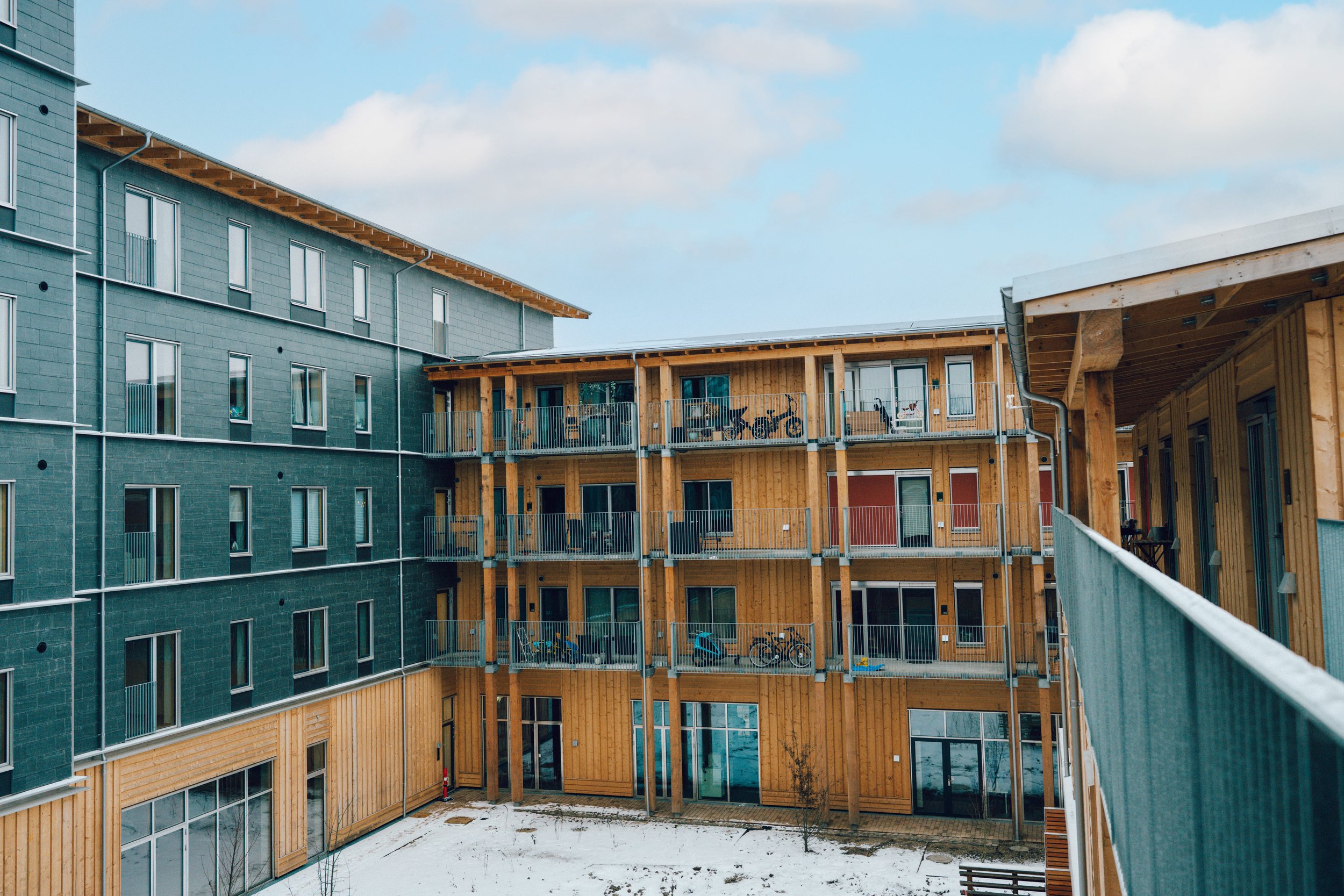
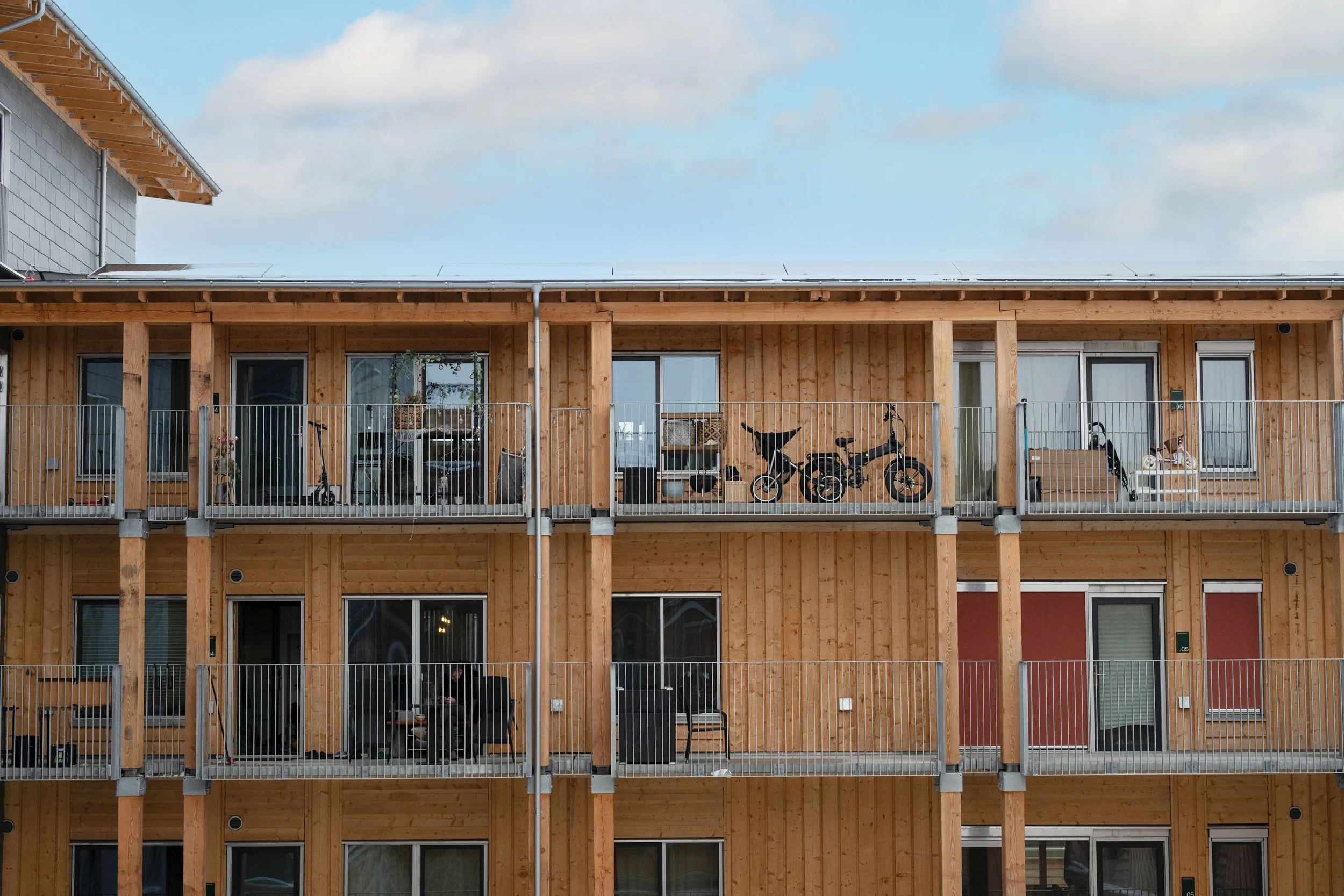
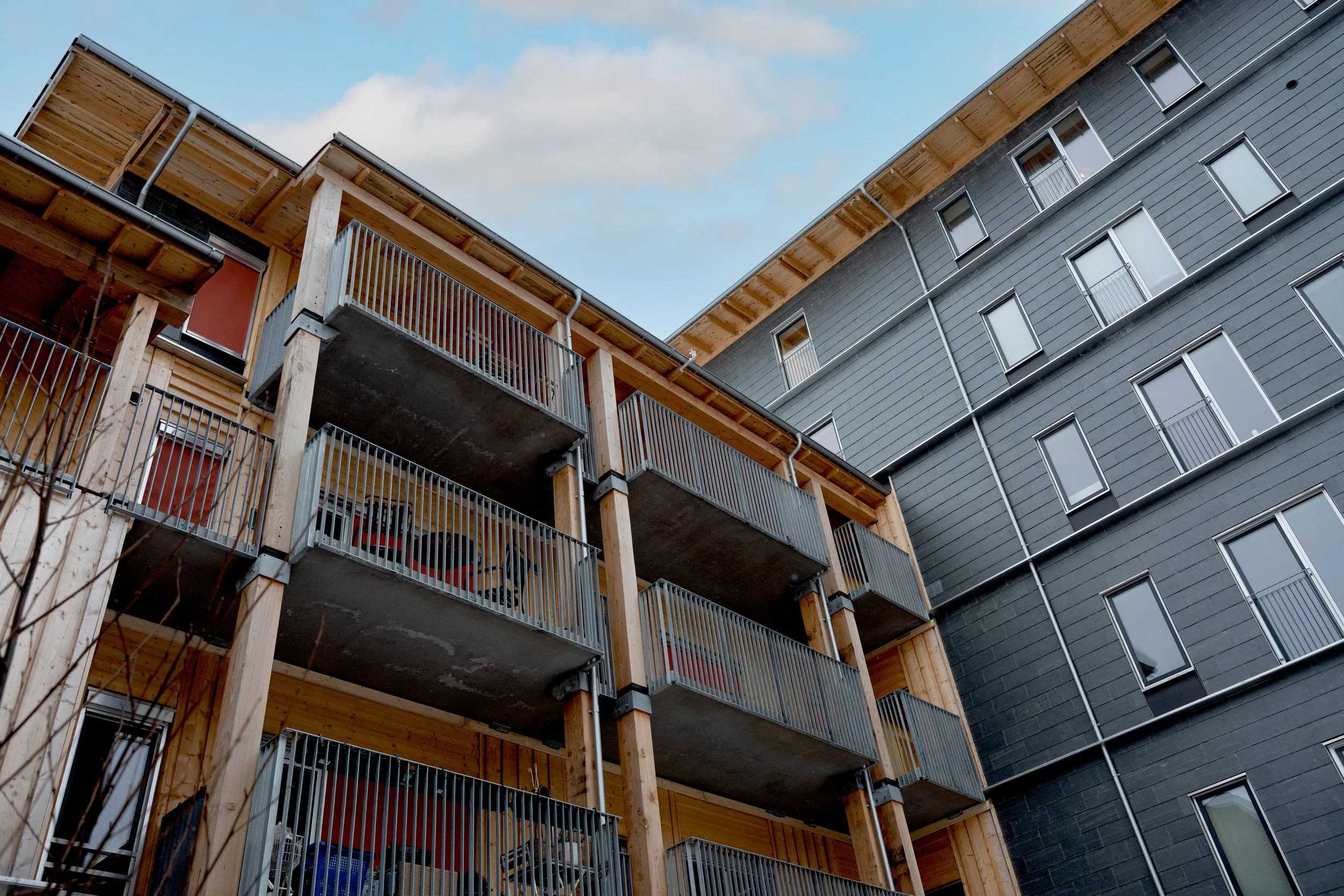
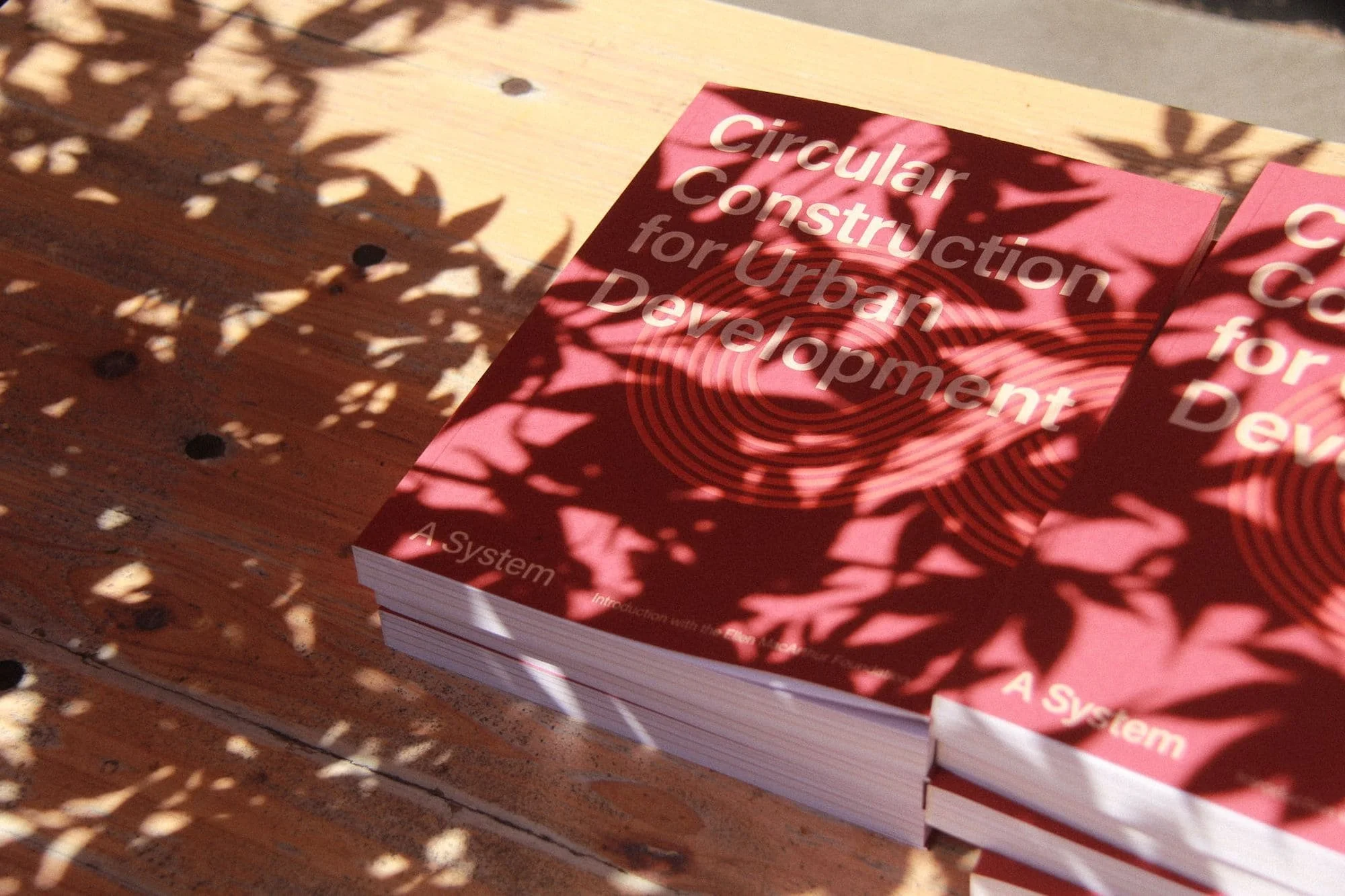
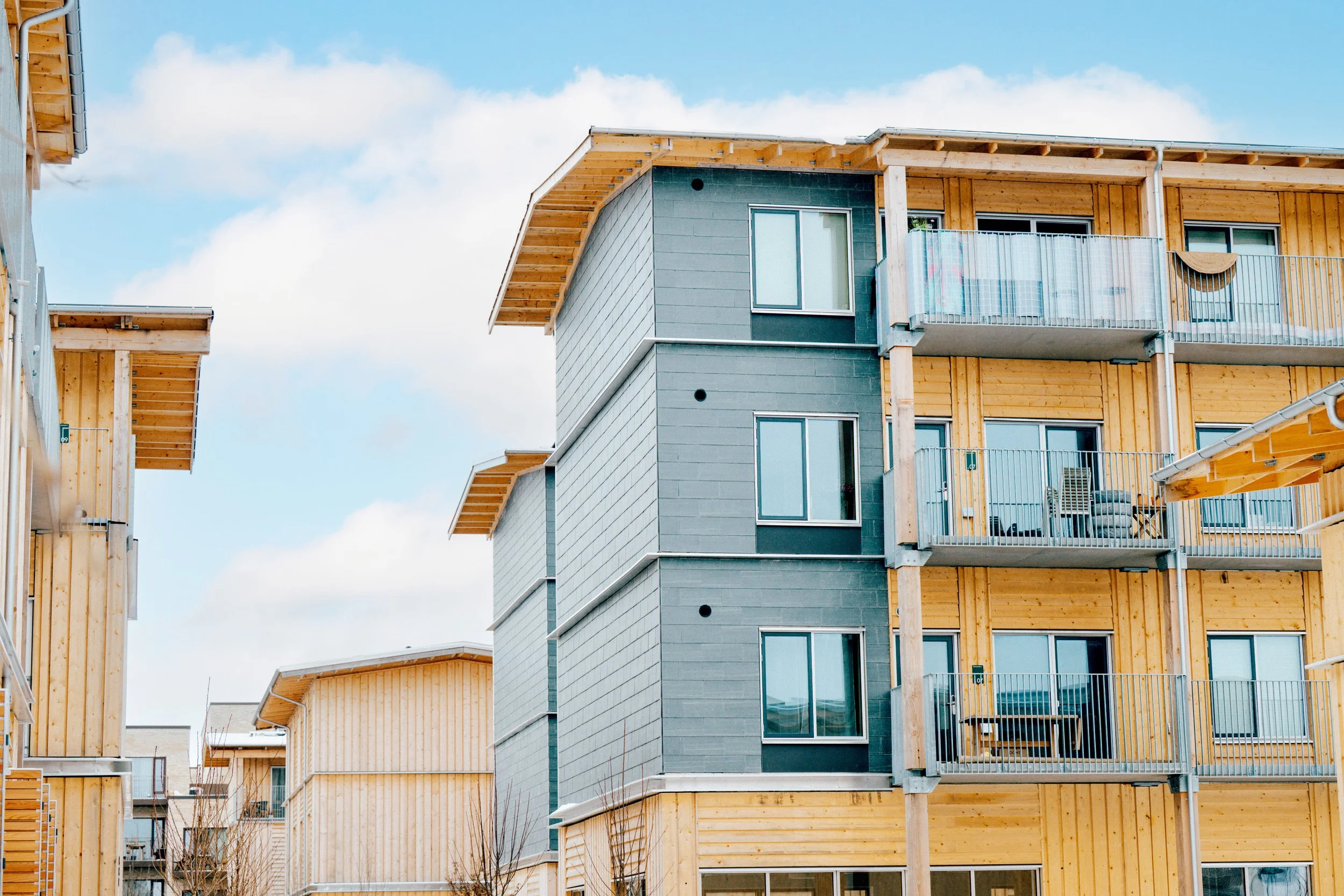
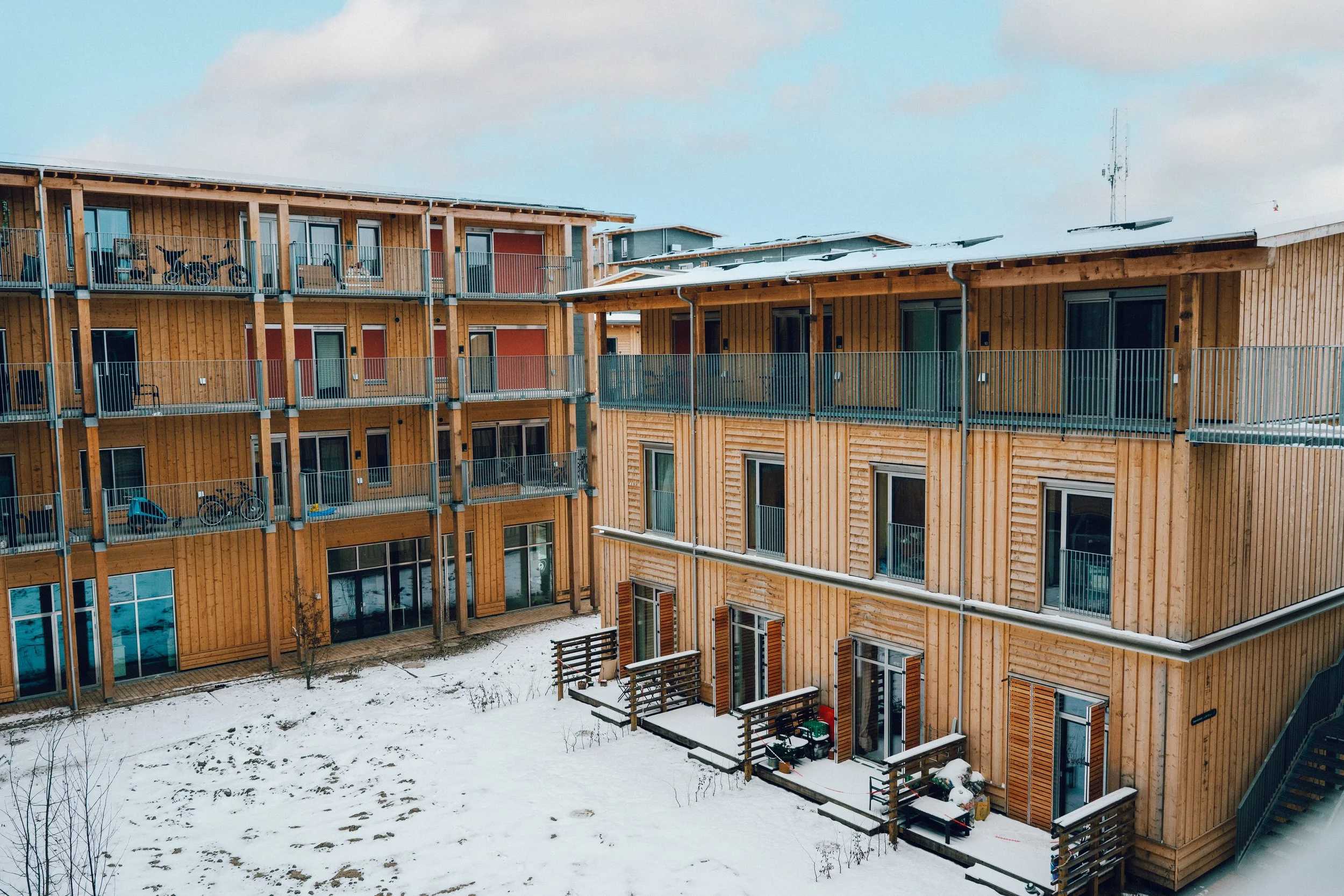
Home.Earth's response is a hybrid system combining volumetric modular construction for building cores with panelised systems for exteriors—achieving standardisation where it matters while maintaining design flexibility. Factory-based production delivers consistency and quality control, while integrated 3D models and digital twins enable the circularity that traditional construction cannot achieve.
The results are striking. Home.Earth's first residential project achieved a whole lifecycle carbon footprint of 5.3 kg CO2 per square metre during design, subsequently reduced to 4.7 kg during tendering through rigorous materials auditing. In their second project Home.Earth is on target to reach a whole lifecycle carbon footprint below 3.5 kg. For context, Denmark's building regulations will require multi-storey apartments to achieve a maximum of 7.5 kg from July 2025. Home.Earth is getting close to operating at what Nørgaard describes as "planetary boundary level."
Crucially, nothing was invented. "We have used 100 per cent market solutions," Nørgaard told the Melbourne audience. The innovation lies in integration and long-term thinking, not technology.



The Non-Negotiables
Asked what conditions would be essential to replicate Home.Earth's model elsewhere, Nørgaard identifies two fundamentals. First: "Being able to take a long-term perspective on what we do and work integrated across the value chain. When you go into a design process, being able to take a 20 or 30-year perspective on the design choices and procurement choices you're going to make."
Second: mission-aligned capital. "You really need to be comfortable that the capital you have is mission-aligned. We've locked our structure through the foundation, so the investors that come in have embraced our mission or purpose."
The profit-sharing model—which Nørgaard highlighted in Melbourne as central to creating "common interests between tenants and investors"—extends this alignment to residents. Approximately 10 per cent of returns flow back through rent reductions and community budgets, while the elimination of rental deposits, a characteristic of the Nordic rental system that can demand the equivalent of up to 6 months’ rent up front, removes barriers to housing access.
A Path Forward
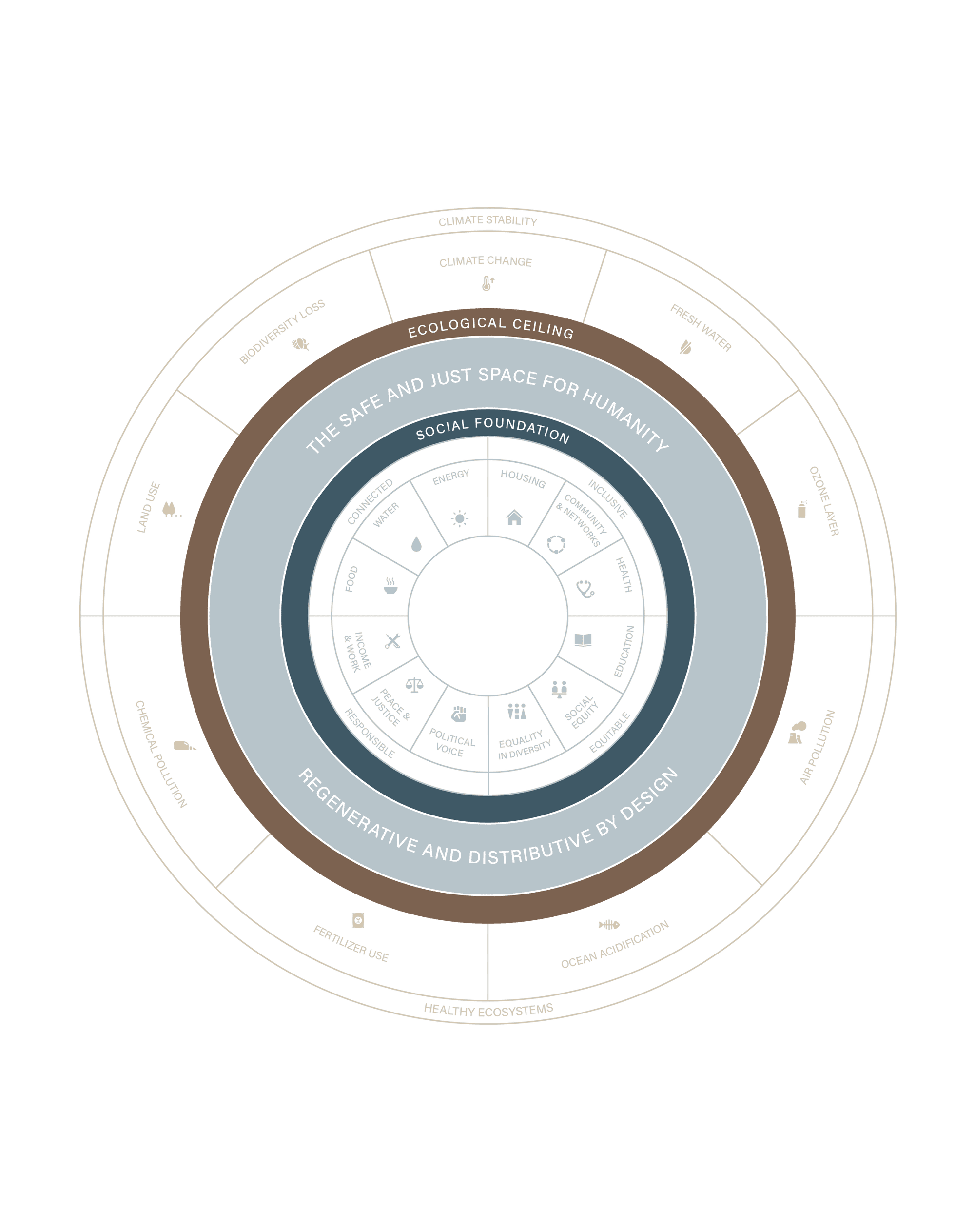
Interestingly, Home.Earth didn't start with Doughnut Economics—the framework developed by Kate Raworth that visualises a safe operating space for humanity between social foundations and planetary boundaries. "We were saying 'triple bottom line of people, planet, and profit' and then asking how do you operationalise that?" Nørgaard explains. "Then we arrived at Doughnut Economics. Our business design was developed in conjunction with us embracing the doughnut."
This organic evolution matters. It suggests that the principles underlying Home.Earth's success isn't dependent on adopting any particular framework from day one. What matters is clarity of purpose, willingness to integrate across traditional silos, and the patience to align stakeholders around long-term value creation.
For Australian industry professionals watching the housing crisis deepen while environmental imperatives intensify, Nørgaard's journey offers both validation and challenge. The validation: experienced professionals across the value chain are hungry for more meaningful work. The challenge: someone has to be willing to put the pieces together.
As Nørgaard observes: "If I were going to do this, it should be something that moved the needle, not something that would just be 5% different compared to what was already there."
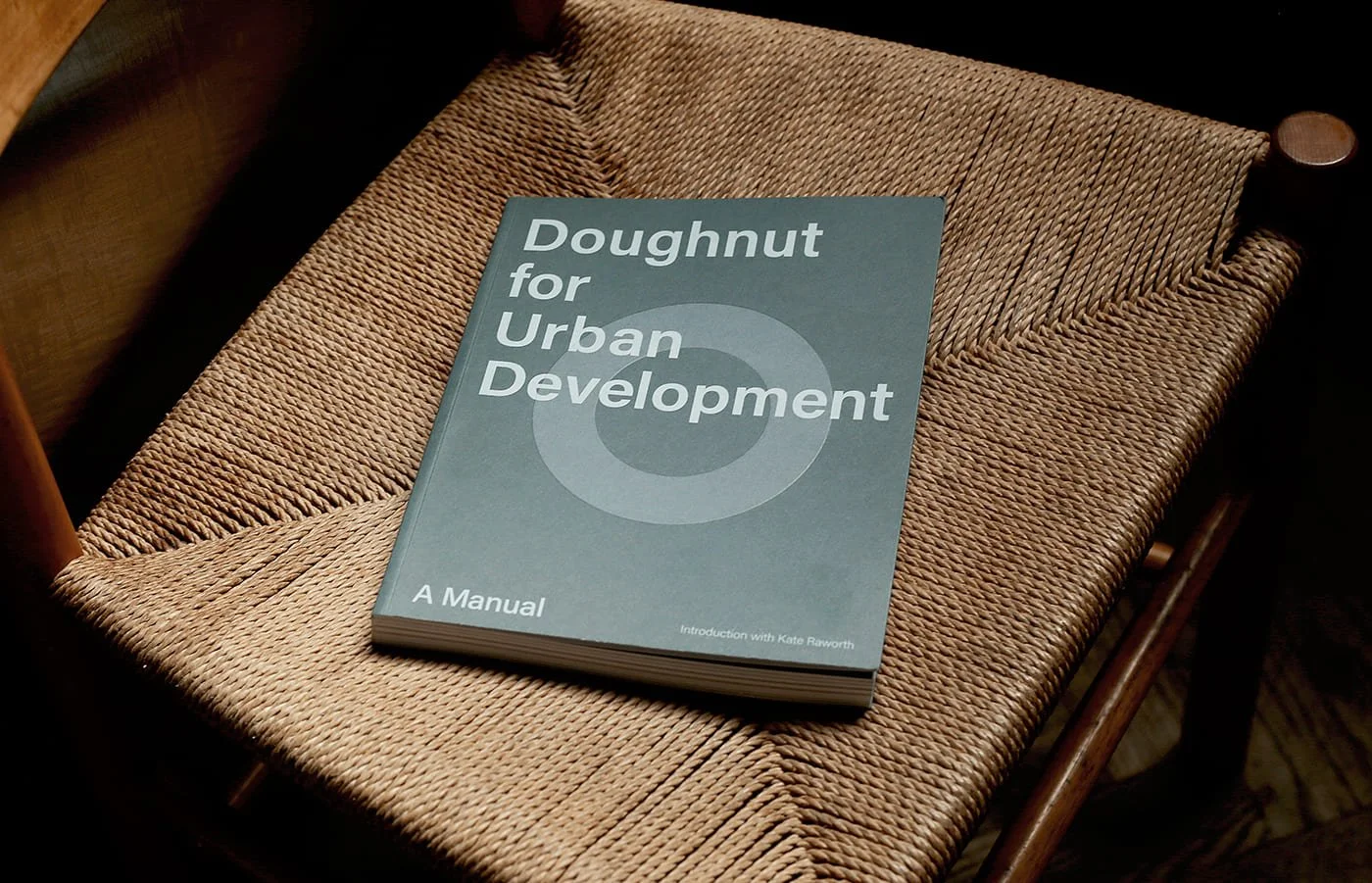
The Doughnut for Urban Development manual, developed by Home.Earth, with research partners including the Stockholm Resilience Centre, is available for free download at home.earth website.
---
Rasmus Nørgaard visited Melbourne as the 2025 Robert Garland Treseder Fellow at the Faculty of Architecture, Building, and Planning, University of Melbourne.