
From Task to Capability: How the Centre of Excellence Will Reinvent Construction Training
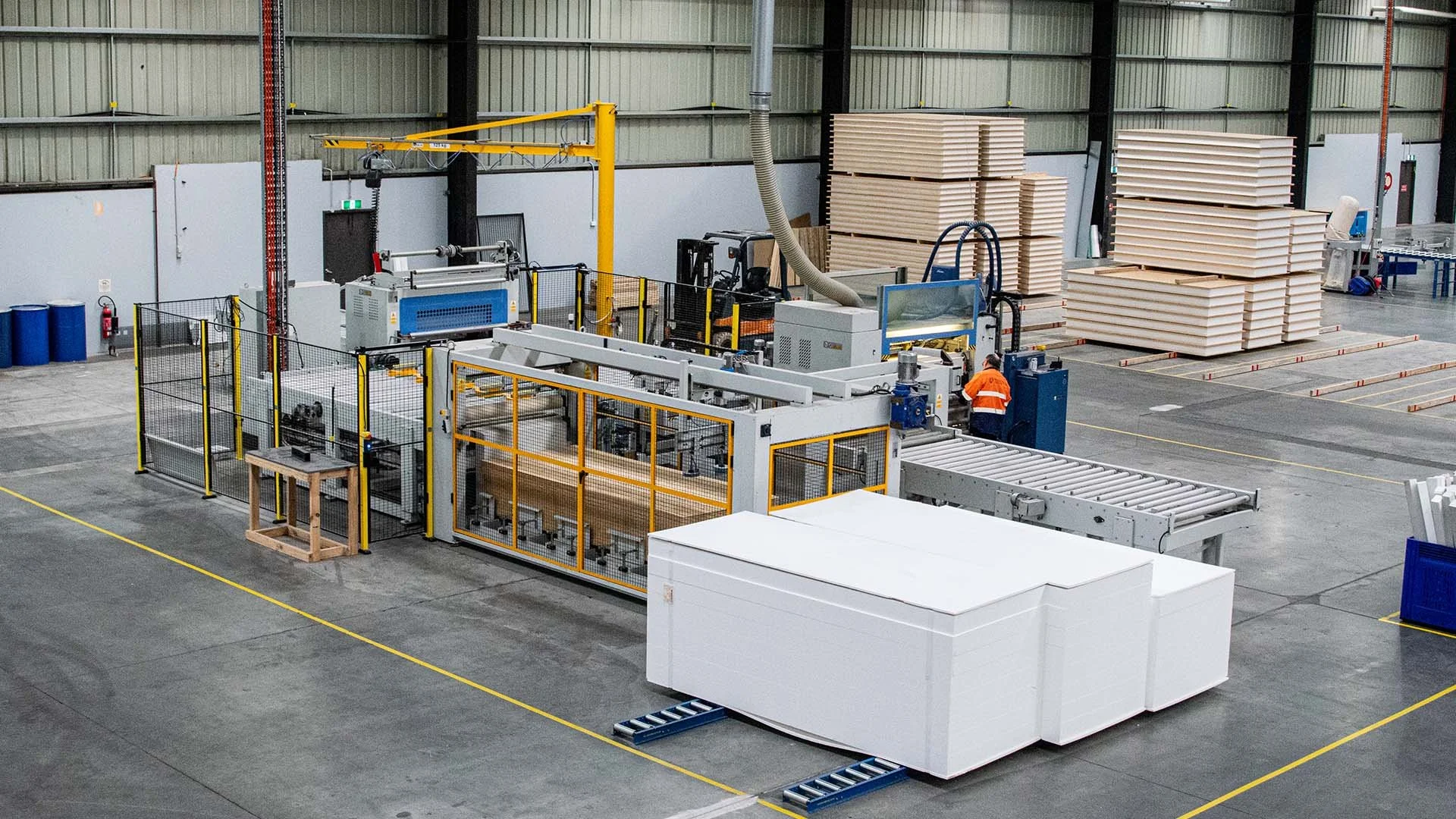
Australia’s vocational education system has long focused on developing strong practical competencies in construction trades. The Future of Housing Construction Centre of Excellence aims to build on that foundation by also strengthening the capabilities workers need to operate in increasingly complex and technologically advanced construction environments.
Gabriel Solorzano Torres, Executive Director of Melbourne Polytechnic, offers a clear assessment of the system his institution operates within. Australia’s construction training framework, he notes, was designed decades ago for a very different industry. “The system has served the sector well,” he says, “but it was developed around a construction model that is now changing. The technology within the industry has evolved significantly, and training needs to evolve alongside it. The Centre is focused on supporting the next step in that evolution.”
The shift Solorzano Torres describes is not away from task-based learning, which will always be critical, but an expansion of it. Traditional construction training focuses on competency, demonstrating that a worker can perform a specific task. The emerging challenge is ensuring workers also develop broader capabilities that allow them to adapt as technology and production systems evolve.
“We will always need to teach people how to do things,” Solorzano Torres explains. “If you install a pipe, you still need to demonstrate that you can do it properly. That practical competency remains fundamental. What we are adding is a stronger focus on capabilities alongside those skills. If the BIM software I am using changes, or the process around it evolves, I still have the capability to understand the system and update how I work.”
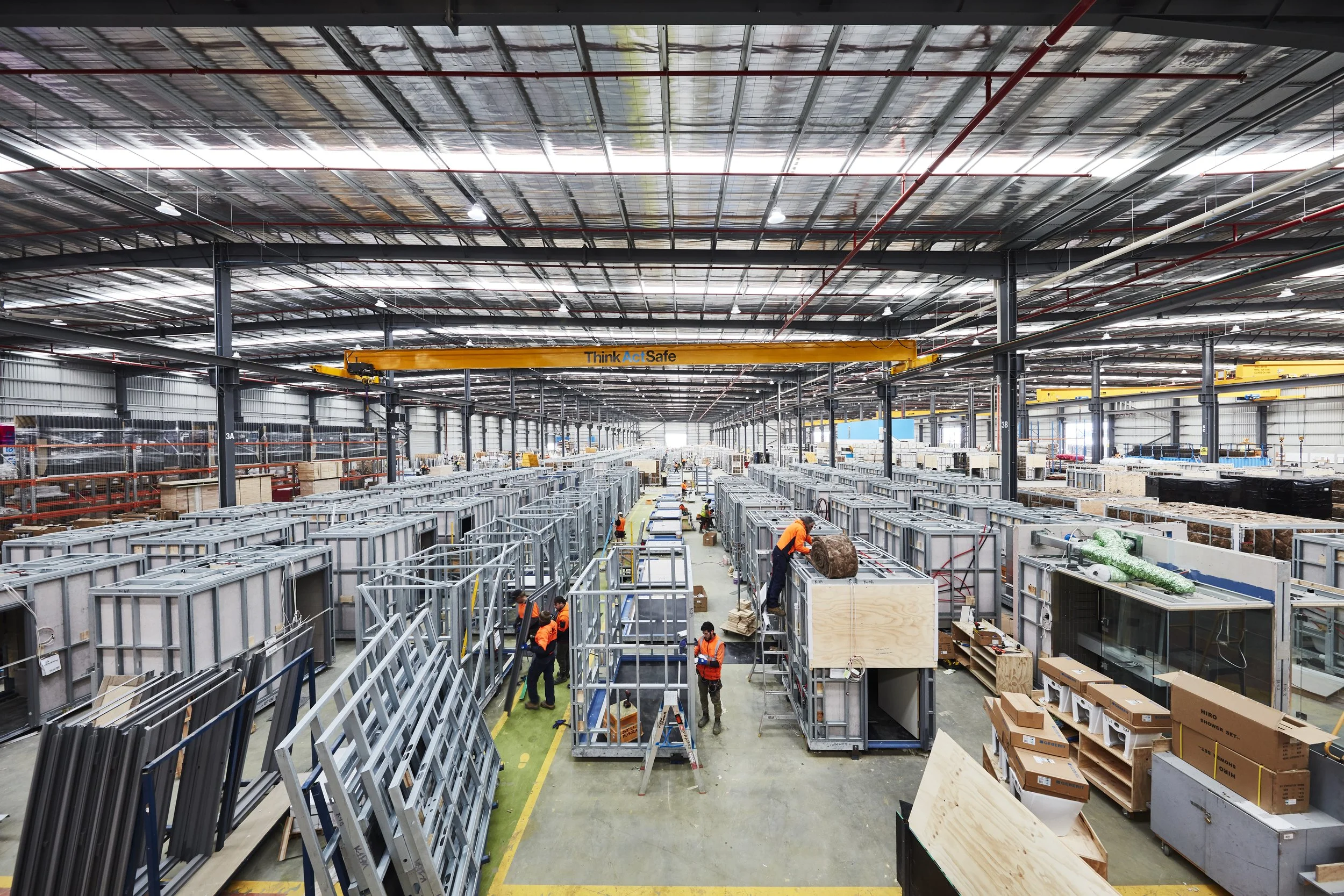
This distinction matters for an industry undergoing rapid technological change. Workers trained only to operate a particular tool may struggle when that tool evolves. Workers who understand systems, processes, and principles are better able to adapt and improve how the work is done.
Solorzano Torres points to advanced manufacturing as an important reference point. “Practices drawn from advanced manufacturing, such as Lean production and Six Sigma quality approaches, help people understand how production systems operate, how quality is maintained, and how teams coordinate work across the entire process.” The Centre’s curriculum will embed these perspectives alongside technical trade skills, producing graduates who not only expertly perform tasks, but understand the wider system in which those tasks sit.
The educational approach also includes what Solorzano Torres describes as a “showcase” dimension. The new building at Heidelberg will serve not only as a training facility but also as a place where students, workers, and industry partners can interact firsthand with emerging construction technologies. The aim is to create an environment where people can explore new tools, understand their potential, and see how modern methods of construction can improve productivity, quality, and coordination.
This experiential element serves a dual purpose. It builds practical capability, but it also helps workers and industry participants understand the opportunities that new approaches can offer. “We want people who undertake training to be able to apply those skills in their workplace,” Solorzano Torres says, “but also to understand the broader possibilities. When workers see how these systems operate, they start asking whether there are better ways to deliver the same outcome.”
There is also a structural transition underway. Much of Australia’s construction training system is built around traditional on-site building practices. As factory-based and digitally enabled methods become more common, workers increasingly need additional knowledge around manufacturing processes, digital coordination, and integrated production systems. The Centre of Excellence positions itself in that space, complementing existing qualifications with additional capabilities relevant to modern methods of construction.
For an industry facing both a skills shortage and a period of technological change, this distinction matters. The goal is not only to train workers to perform tasks, but also to equip them with the understanding needed to adapt as construction methods continue to evolve.